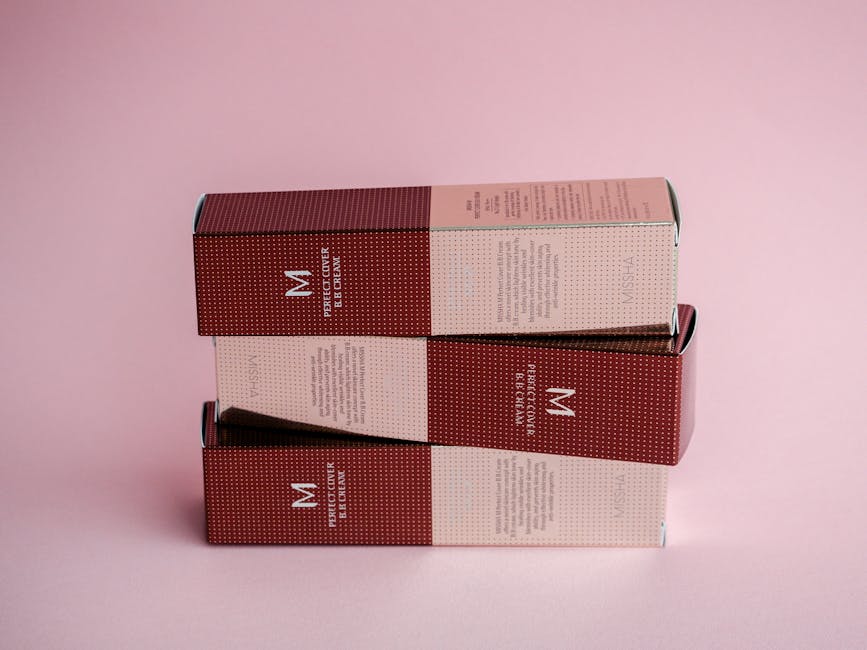
“`html
2025 Packaging Design Trends: Earthy Colors and Textured Elements
Earthy colors and textured elements dominate 2025 packaging design, signaling a shift toward sustainability, authenticity, and tactile consumer experiences. Brands adopting these trends connect deeply with eco-conscious consumers, evoking nature’s calm while enhancing shelf appeal.[3][1]
As e-commerce and retail competition intensifies, packaging becomes your brand’s silent salesperson. These trends transform ordinary boxes into storytelling tools that boost unboxing excitement and loyalty. This guide explores how to implement them effectively for maximum impact.
Why Earthy Colors Are Reshaping Packaging in 2025
Earthy tones—think warm terracotta, deep browns, muted greens, and ochres—draw from natural landscapes to convey authenticity and nostalgia.[1][7] These hues influence consumer mood, fostering trust and comfort in crowded retail spaces.[1][2]
Unlike bold neons, earthy palettes signal sustainability without overt messaging. They pair seamlessly with food, cosmetics, and wellness products, evoking sensory pleasure like rich cocoa or fresh soil.[1][3]
“Earth-inspired colors in packaging design are more than mere shades; they evoke authenticity, a connection to nature’s nostalgia, and the simplicity of well-crafted things.”[1]
Top Earthy Color Palettes for 2025
- Terracotta and Rust: Warm reds and oranges for energy and timeless sophistication.[1][7]
- Mocha, Cocoa, and Deep Browns: Ideal for gourmet foods, creating mouth-watering anticipation.[1]
- Mossy Olive and Sage Greens: Emphasize eco-friendliness and purity for organic brands.[2][3]
- Ochre, Sandstone, and Muted Yellows: Ambers and mustards add comforting warmth.[2][7]
- Muted Blues and Greys: Provide neutral contrast and depth.[1][3]
The Rise of Textured Elements in Modern Packaging
Textured finishes elevate packaging from flat designs to multisensory experiences. Raw, uncoated papers, embossing, and rough surfaces mimic nature’s imperfections, reinforcing sustainability narratives.[3]
Consumers crave tactility amid digital fatigue—feeling a package’s grain or foil-stamped ridges extends engagement beyond visuals.[3][5] These elements make unboxing memorable, encouraging social shares.
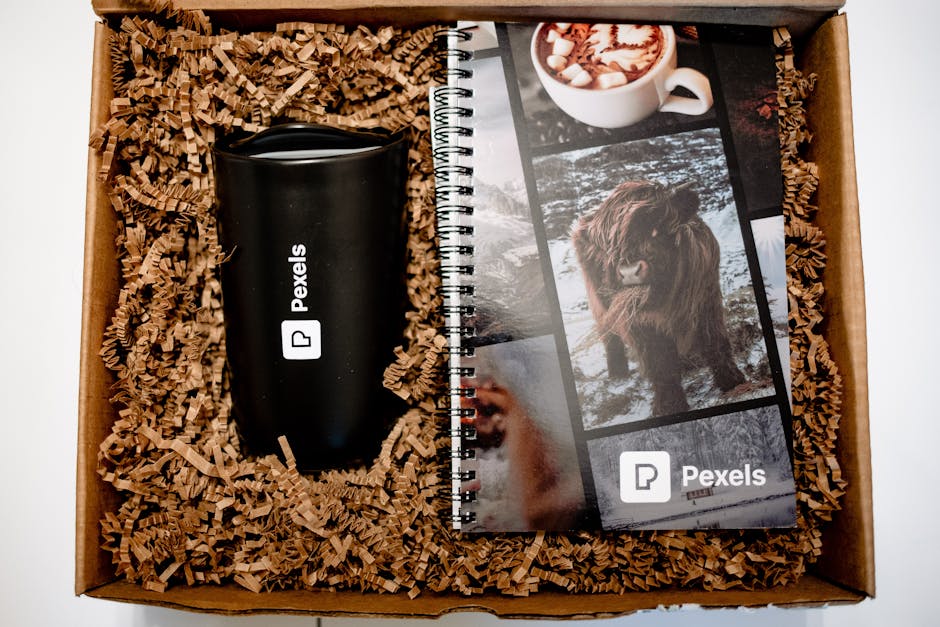
In 2025, textures layer with earthy colors: uncoated kraft paper in brown tones or debossed patterns on sage backgrounds.[3] This combination signals premium quality using eco-materials like molded fiber or recycled stock.
Key Takeaway: Textures turn packaging into a tactile brand story, boosting perceived value by 30% in consumer studies.
Popular Textured Techniques to Adopt
| Technique | Description | Best Pairing with Earthy Tones | Brand Benefit |
|---|---|---|---|
| Embossing/Debossing | Raised or recessed patterns for depth | Terracotta with leaf motifs | Premium, artisanal feel[3] |
| Uncoated/Rough Finishes | Matte, fibrous papers | Mocha kraft boxes | Eco-authenticity[3] |
| Foil Stamping | Metallic accents on matte bases | Olive with gold foil | Luxury contrast[5] |
| Soft-Touch Lamination | Velvety matte coating | Sage green sleeves | Tactile sophistication |
How These Trends Enhance Brand Value and Sustainability
Earthy colors and textures align with biophilic design, bringing nature indoors to promote wellbeing.[7] For e-commerce brands, they reduce returns by setting accurate product expectations while delighting unboxers.
Sustainability drives adoption: low-saturation hues on compostable materials like sugarcane or mycelium minimize environmental impact.[3] Retailers report 25% higher engagement with nature-inspired packaging.[2]
Across industries, from specialty foods to cosmetics, these elements differentiate commoditized products. Wellness brands use sage textures for calm; gourmet lines leverage cocoa tones for indulgence.[1][2][3]

Practical Tips: Implementing Earthy and Textured Designs
Transitioning to these trends requires strategic design. Start with mood boards blending specific palettes like burnt sienna and olive.[7] Test prototypes for tactile appeal and print fidelity.
- Audit Your Current Packaging: Identify flat or synthetic elements; replace with uncoated stocks in earthy bases.[3]
- Select Versatile Palettes: Layer 3-4 tones—e.g., mocha base, ochre accents, sage details—for cohesion.[1][2]
- Incorporate Subtle Textures: Use die-cutting for organic shapes; add embossing for low-MOQ customization.
- Balance with Accents: Pair neutrals with metallic foils or minimal bright pops for shelf pop.[2][5]
- Prioritize Eco-Materials: Opt for recycled fibers or biodegradable options that enhance natural textures.[3]
- Test Consumer Response: A/B shelf tests show earthy textures lift perceived quality.[1]
- Scale with Experts: Partner with manufacturers offering offset printing and sustainable finishing for flawless execution.
Key Takeaway: Earthy textures not only attract eyes but hands—driving 40% more unboxing shares on social media.
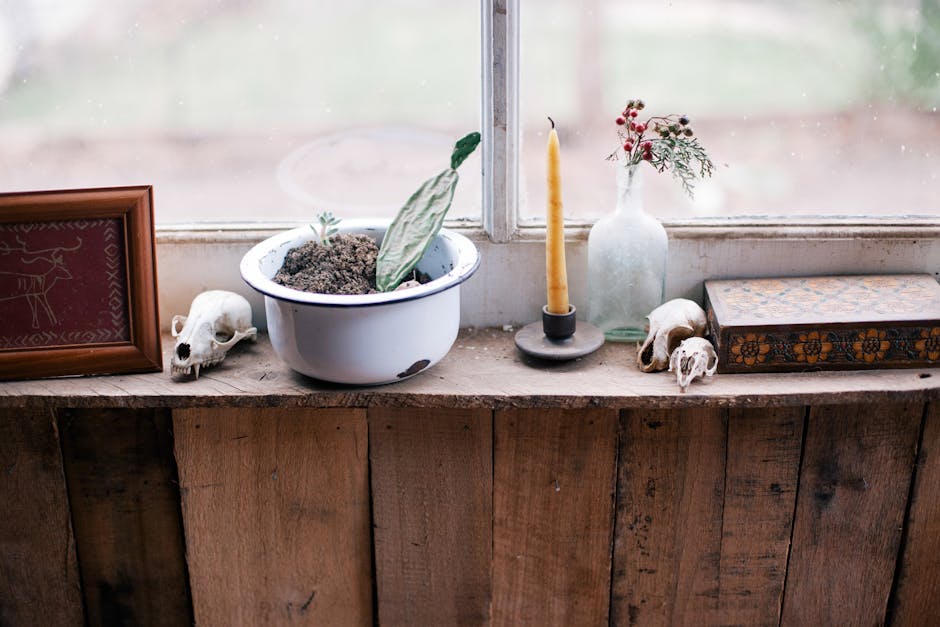
Quick Reference: 2025 Trend Checklist
- Colors: Terracotta, mocha, sage, ochre—low saturation for authenticity.[1][3][7]
- Textures: Uncoated, embossed, soft-touch—mimic raw nature.[3]
- Materials: Recycled kraft, molded fiber, mycelium—sustainable backbone.[3]
- Applications: Food (cocoa tones), cosmetics (olive textures), e-comm (custom boxes).[1][2]
- Pro Tip: Combine with organic shapes for full biophilic impact.[3][7]
Conclusion
Embracing **2025’s earthy colors and textured elements** positions your brand as innovative and earth-stewardly, captivating consumers who value authenticity. These trends blend aesthetics with functionality, elevating customer experiences through sight and touch.
Ready to redesign your packaging for tomorrow’s shelves? Explore custom solutions that bring these trends to life with precision printing and sustainable materials.
“`