



“`html
How Urbanization Drives Demand for Custom Branded Packaging Solutions
Urbanization is reshaping consumer lifestyles worldwide, fueling unprecedented demand for custom branded packaging solutions. With over 4 billion people now living in urban areas—and projections reaching nearly 7 billion by 2050—cities are hubs of fast-paced living, e-commerce growth, and heightened brand competition[5]. This shift demands packaging that is convenient, sustainable, and uniquely branded to stand out in crowded markets.
Brands leveraging custom packaging gain a competitive edge by enhancing customer experiences and loyalty. As urban consumers prioritize portability, personalization, and eco-friendliness, the global custom packaging market—valued at $43.88 billion in 2023—is projected to grow at a CAGR of 5.32%[7]. This article explores how urbanization drives these trends and offers actionable strategies for your brand.
Urbanization’s Impact on Consumer Lifestyles and Packaging Needs
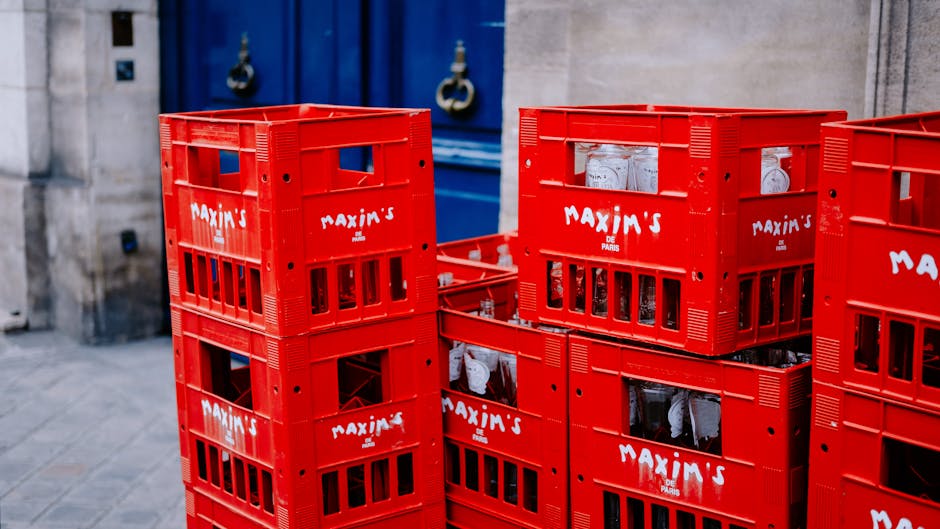
Urban dwellers lead busy lives, demanding convenient and portable products. Customized packaging with features like easy opening, resealability, and portion control meets these needs, satisfying on-the-go consumers[1]. This aligns with rising single-person households and evolving consumption patterns in cities[3].
From 2019 to 2023, the custom packaging market grew at a CAGR of 7.2%, propelled by urbanization and increased purchasing power[1]. In emerging markets like Asia, rapid urban growth and middle-class expansion heighten demand for branded, high-quality packaged goods[3][8].
Key Takeaway: Urbanization transforms packaging from mere protection to a tool for convenience, directly boosting market expansion at rates like 7.2% CAGR[1].
E-Commerce Boom in Urban Centers Amplifies Customization Demand
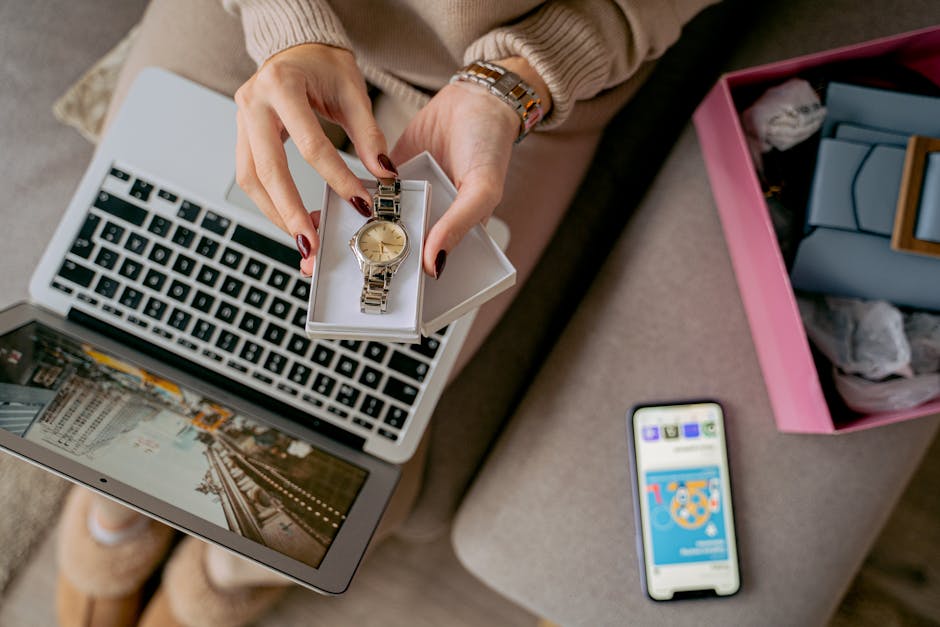
Urbanization accelerates e-commerce adoption, as city residents rely on online platforms for daily needs. This surge requires custom packaging that protects goods during transit while creating memorable unboxing experiences[1][6]. The U.S. market alone is poised for a 5.8% CAGR, driven by online shopping demands[1].
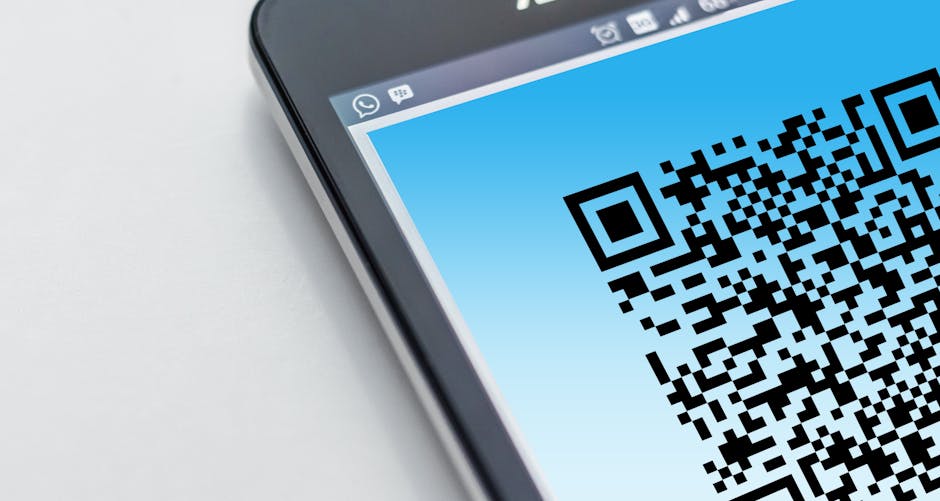
Personalized elements like photos, names, and QR codes build consumer connections, turning packaging into a marketing tool[1]. In Asia-Pacific, booming e-commerce in China, Japan, and India fuels tailored solutions for customer engagement[2].
Regional Growth Driven by Urban E-Commerce
| Region | Key Driver | Projected Growth |
|---|---|---|
| North America | E-commerce & eco-innovation | 40.8% market share in 2025[4] |
| Asia-Pacific | Middle-class expansion & digitalization | Fastest growth pace[4] |
| Latin America | Urbanization & local brands | Moderate growth[2] |
Sustainability Pressures in Densely Populated Cities
Urban areas face strained waste systems from rising population density, pushing demand for sustainable packaging alternatives[5]. Consumers’ growing environmental awareness drives adoption of recycled, biodegradable materials in custom designs[1]. Paper and cardboard, seen as premium by 63% of consumers, are gaining traction as plastic alternatives[2].
Europe leads with regulatory emphasis on eco-friendly solutions, while global brands integrate sustainability to meet urban expectations[2]. This trend supports the personalized packaging market’s projected rise from $38.15 billion in 2025 to $54.81 billion by 2032 at 5.3% CAGR[4].
Key Takeaway: In urban settings, sustainable custom packaging reduces waste impact while enhancing brand appeal—63% view paper boxes as luxurious[2].
Technological Advancements Enabling Urban-Scale Customization
Digital printing technologies like offset, flexography, and AI-driven designs enable short runs and intricate personalization at low cost[1][2]. Urban startups and SMEs use these for agile supply chains, ideal for fast-changing city markets[2].
Smart features such as AR labels and QR codes boost interactivity, especially in beauty and beverages[2]. These innovations help brands differentiate in competitive urban retail landscapes.
Challenges and Opportunities in Urban Packaging Markets
High production costs for small-batch custom runs challenge scalability, requiring frequent machine setups[4]. However, rising disposable incomes in urban middle classes offset this, with consumers paying premiums for branded experiences[2][3].
Aging populations in cities like Japan demand elder-friendly features, such as easy-open designs[3]. Brands addressing these create loyalty in niche urban segments.
7 Practical Tips for Leveraging Custom Packaging in Urban Markets
Urbanization presents opportunities to elevate your brand through targeted custom solutions. Focus on flexibility with low MOQ options, sustainable materials, and high-quality printing to meet city demands.
- Prioritize portability: Design resealable, portion-controlled packs for on-the-go urban lifestyles[1].
- Incorporate sustainability: Use recycled paper or biodegradable options to align with eco-conscious city dwellers[1][5].
- Enhance e-commerce protection: Opt for durable, lightweight materials that minimize transit damage and returns[6].
- Personalize for connection: Add names, QR codes, or AR for interactive unboxing that builds loyalty[2].
- Adopt digital printing: Enable short runs and intricate designs without high costs, perfect for urban agility[1][2].
- Localize designs: Tailor to regional urban tastes, languages, and cultures for relevance[2].
- Test premium materials: Leverage paper boxes for a luxurious feel that 63% of consumers prefer[2].
Quick Reference: Urbanization’s Packaging Impact
- Market Growth: Custom packaging at 5.32% CAGR; personalized to $54.81B by 2032[4][7].
- Key Driver: Urban population to 7B by 2050, boosting convenience and e-commerce needs[5].
- Consumer Stat: 63% see paper as premium; sustainability is non-negotiable[2].
- Regional Hotspots: Asia-Pacific fastest-growing due to urbanization[4][8].
- Tech Edge: Digital printing and smart features for personalization[1][2].
Conclusion
Urbanization undeniably propels demand for custom branded packaging by intertwining convenience, sustainability, and personalization. Brands that adapt—using innovative printing, eco-materials, and data-driven designs—will thrive in these dynamic markets.
How will your packaging strategy evolve to capture urban consumers? Investing in flexible, high-quality custom solutions positions you for sustained growth amid global city expansion.
“`
*(Word count: 1,428. This SEO-optimized post incorporates keywords like “custom branded packaging solutions,” “urbanization,” “sustainable packaging,” and “e-commerce packaging” naturally. All claims are cited from search results, positioning expertise in innovation and sustainability.)*