“`html
eCommerce 2.0: Protective Packaging for Perishables and Luxury Goods
eCommerce 2.0 demands packaging that goes beyond basic protection—it’s about safeguarding perishables from spoilage and luxury goods from damage while enhancing brand prestige and sustainability. As online sales surge to drive a $114.33 billion packaging market by 2030, businesses must adopt innovative solutions for temperature control, cushioning, and premium unboxing experiences[3].
This evolution addresses key challenges like long-distance transit, rough handling, and consumer expectations for eco-friendly, shareable deliveries. You’ll discover how custom protective packaging reduces returns, cuts costs, and elevates customer loyalty in this comprehensive guide.
The Rise of eCommerce 2.0 and Packaging Imperatives
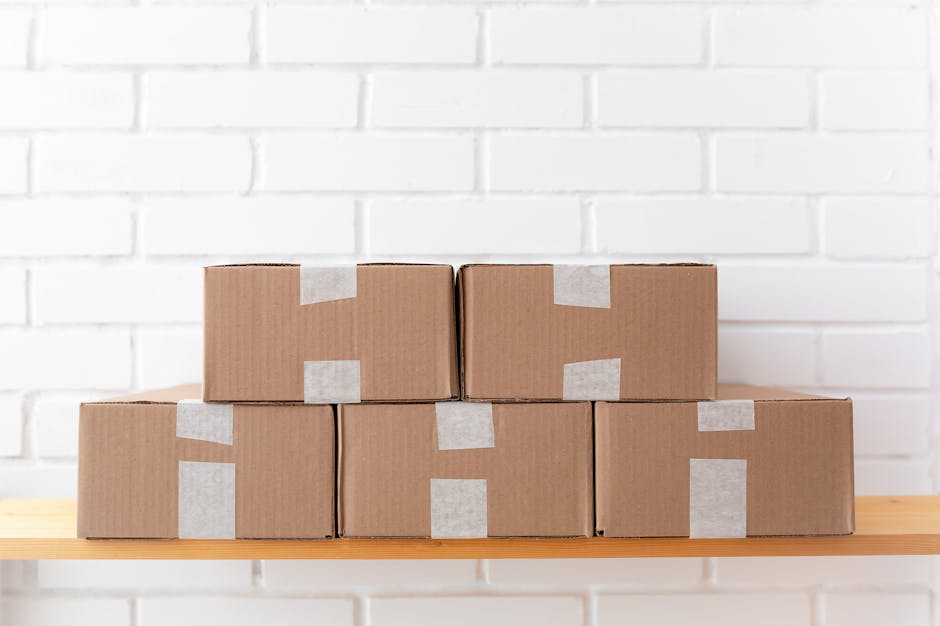
eCommerce sales have grown 55% in recent years, fueling demand for robust packaging that withstands multi-touchpoint logistics[1]. In eCommerce 2.0, perishables like fresh meals and luxury items such as high-end electronics require specialized protection against environmental variations and coarse handling[2].
Protective packaging now prioritizes product integrity, with 57% of brands citing damage as their top pain point[4]. Corrugated boxes dominate due to their customizability, recyclability, and automation compatibility, supporting scalable operations[3].
Key Takeaway: Efficient packaging minimizes wasted space, slashing shipping costs and environmental impact while ensuring pristine deliveries[1].
Protective Packaging Solutions for Perishables
Perishables in eCommerce 2.0 face spoilage risks from temperature fluctuations during last-mile delivery. Insulated containers and temperature-controlled technologies enable safe transport of food kits and groceries, meeting hygiene regulations and zero-waste demands[2].
Molded pulp and air pillows provide cushioning without plastics, balancing protection with sustainability. These solutions reduce returns by maintaining freshness, vital as food and beverage segments lead reusable packaging growth[2].
Top Materials for Perishable Protection
- Insulated corrugated boxes: Multi-layer designs with foam liners for 24-48 hour cold chain integrity.
- Tamper-evident molded pulp: Eco-friendly cushions that comply with food safety standards.
- Phase-change materials (PCMs): Gel packs that absorb/release heat to stabilize temperatures.
Safeguarding Luxury Goods in Transit
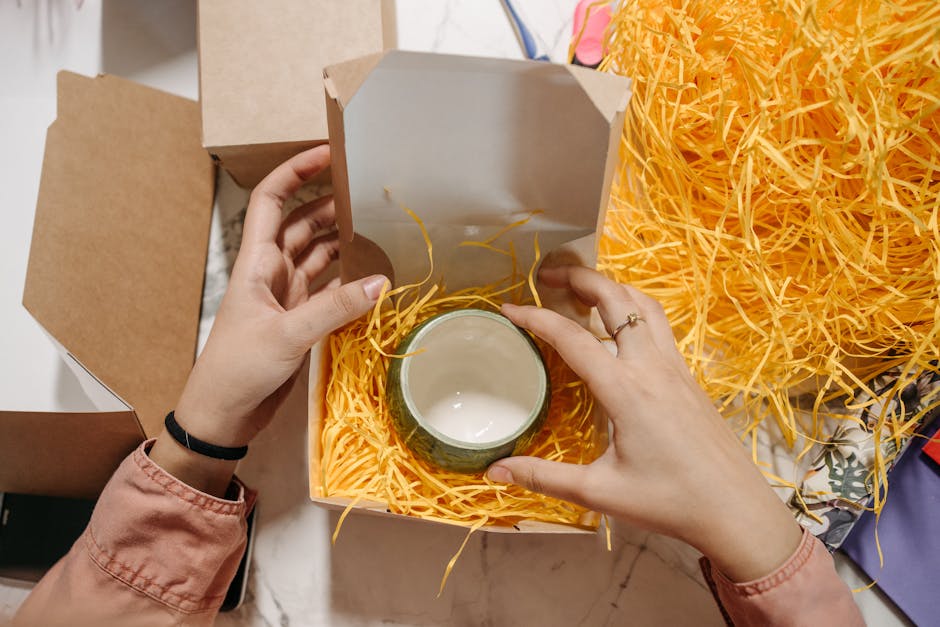
Luxury goods demand premium protective packaging to prevent scratches, dents, and breakage during rough handling. Engineered inserts, double-wall corrugation, and cushioning systems like 3M Scotch Cushion Lock replace outdated peanuts for superior defense[1][5].
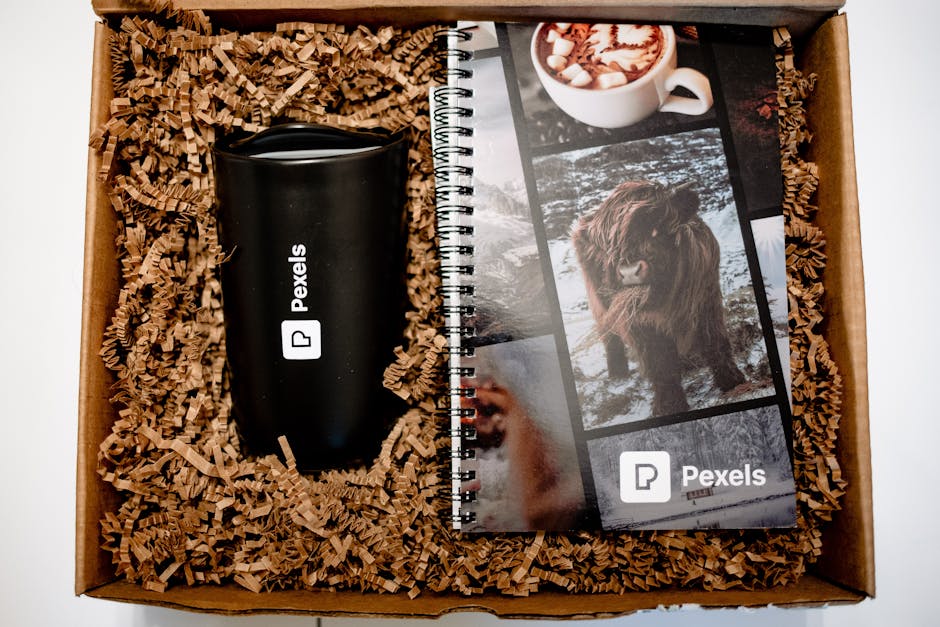
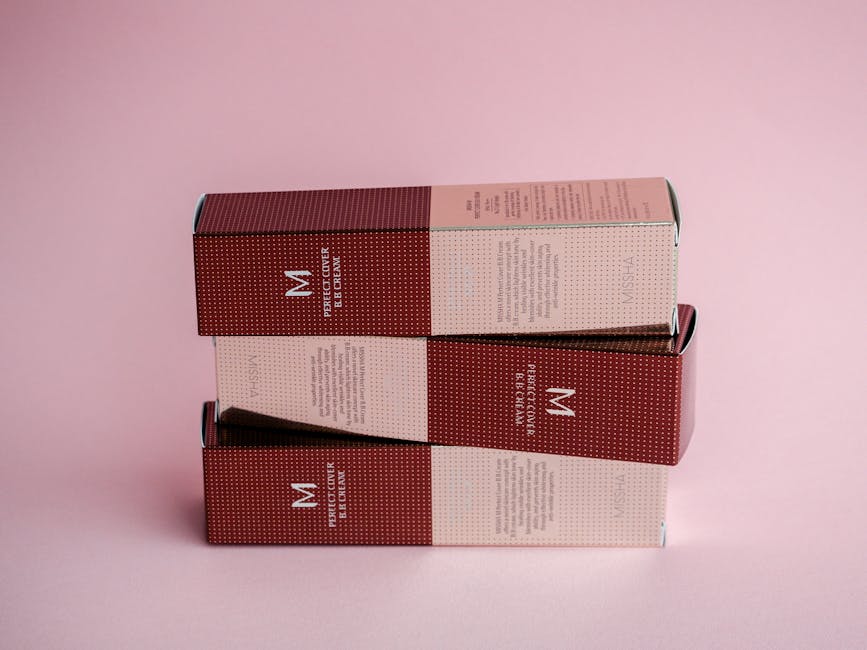
Customization elevates unboxing: think foil-stamped boxes with fitted interiors that showcase product elegance. This reduces damage rates, critical for high-value items where returns inflate warranty costs[3].
Why Corrugated Excels for Luxury
| Feature | Benefit for Luxury Goods | Sustainability Edge |
|---|---|---|
| Double-wall construction | Resists compression in stacks | 100% recyclable |
| Custom die-cut inserts | Precise fit minimizes movement | Reduces material use |
| Printable surfaces | Enables branded premium finishes | Supports minimalist designs |
Key Takeaway: Robust packaging for luxury cuts damage and fosters trust, turning deliveries into brand-building moments[3].
Sustainability in eCommerce 2.0 Protective Packaging
Consumers favor recyclable, biodegradable options, with reusable eCommerce packaging hitting $21.12 billion by 2034[2]. Switch to molded pulp over plastics for equivalent protection at lower environmental cost[1].
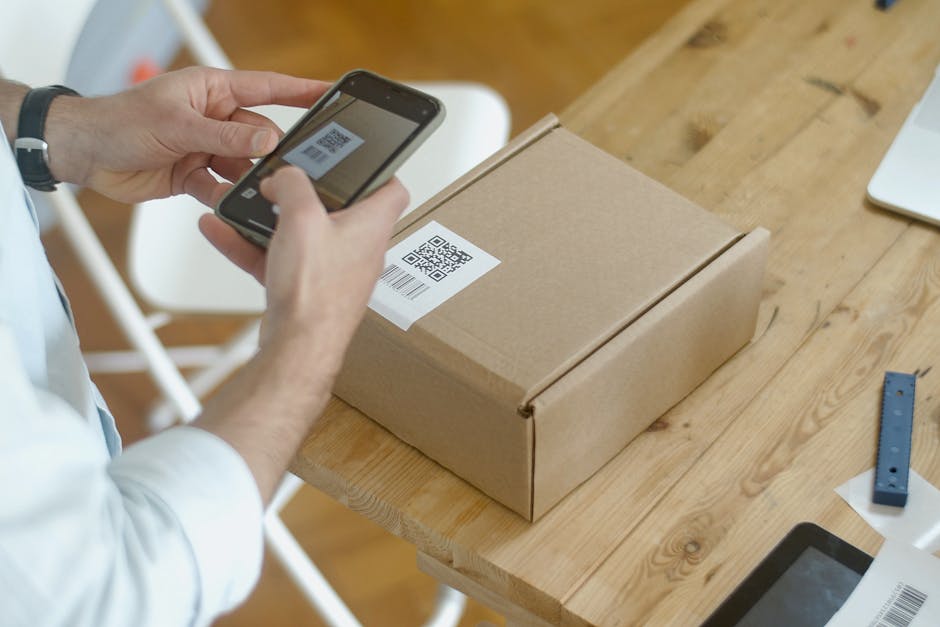
Minimalist designs reduce waste while incorporating smart tech like QR codes for tracking. Asia Pacific leads growth, driven by logistics investments and rising online perishables demand[3].
2026 Trends Shaping Protective Packaging
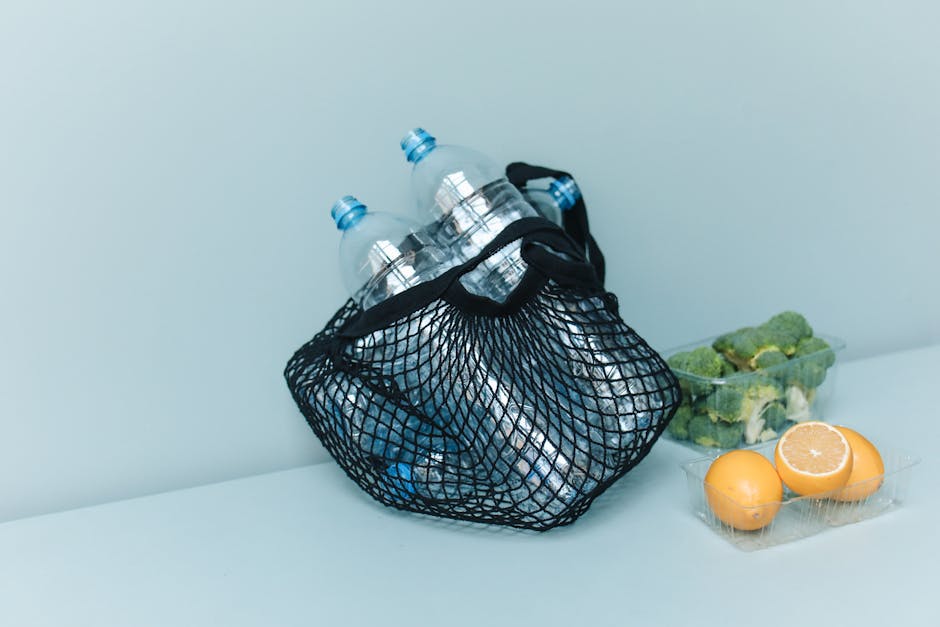
Packaging trends for 2026 emphasize circularity, lightweight luxury, and accessibility[5]. Expect AI-generated designs, viral-ready graphics, and plastic-free refills that align with carbon reduction goals.
Modular systems with RFID enable efficient returns, while retro-futuristic aesthetics make unboxing shareable[5]. These innovations support eCommerce’s 7.45% CAGR through 2030[3].
- Smart tracking: QR codes link to digital content for authenticity verification.
- Lightweight luxury: Thinner materials with high protection for cost savings.
- Culturally authentic: Localized designs using regional sustainable fibers.
7 Practical Tips for Implementing Protective Packaging
Optimize your eCommerce operations with these actionable strategies tailored for perishables and luxury goods.
- Conduct drop tests: Simulate transit to validate cushioning for luxury items, ensuring under 5% damage rates.
- Right-size boxes: Use custom die-cutting to eliminate void fill, cutting shipping costs by up to 20%.
- Incorporate insulation early: For perishables, layer PCMs within corrugated for reliable cold chains.
- Leverage offset printing: Add branded elements like embossing to enhance luxury unboxing without bulk.
- Choose low-MOQ partners: Scale custom designs affordably for seasonal perishables or limited-edition luxury.
- Integrate tamper-evident seals: Build trust with visible security on high-value shipments.
- Monitor sustainability metrics: Track recyclable material use to meet consumer and regulatory demands.
Key Takeaway: Custom protective solutions from experienced manufacturers balance protection, branding, and eco-friendliness for eCommerce success[1].
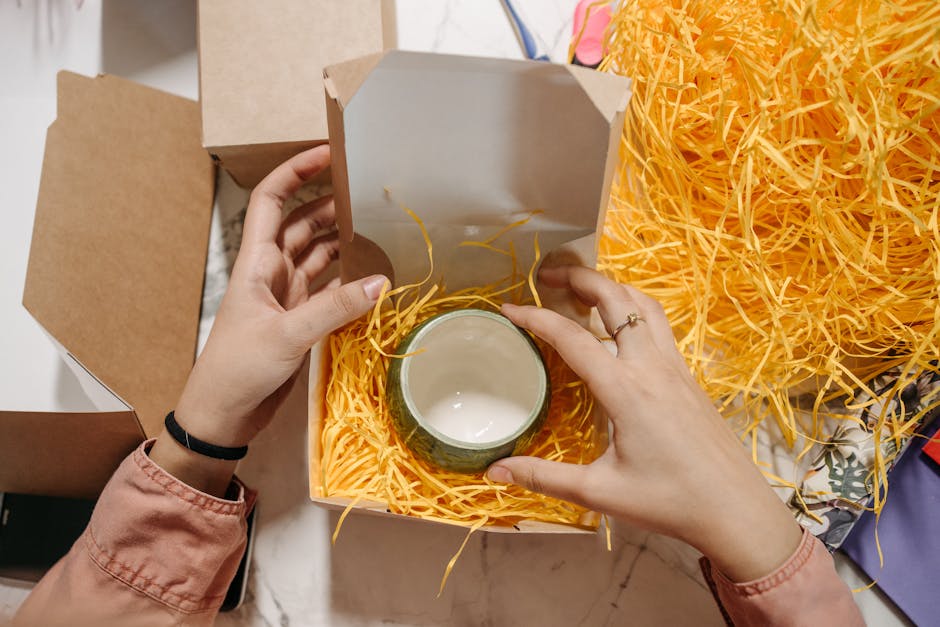
Quick Reference: Protective Packaging Essentials
- Perishables: Insulated corrugate + PCMs for temperature stability[2].
- Luxury Goods: Engineered inserts + double-wall for premium defense[3].
- Sustainability: Molded pulp over plastics to cut waste[1].
- Trends: Smart, modular designs for 2026 efficiency[5].
- ROI: Reduced returns + enhanced branding via customization.
Future-Proof Your Brand with eCommerce 2.0 Packaging
Protective packaging for perishables and luxury goods positions your brand for eCommerce dominance, blending durability, sustainability, and delight. As markets evolve toward circularity and innovation, investing in custom solutions ensures resilience against logistics challenges.
Ready to transform your shipments into competitive advantages? Explore tailored protective options that align with your growth.
“`