“`html
How Chinese Brands Can Use Custom Paper Packaging to Win Eco-Conscious Consumers in 2025
In 2025, China’s e-commerce sector handles over 100 billion parcels annually, making packaging waste a critical environmental challenge.[1] Chinese brands face mounting pressure from national green packaging mandates and eco-conscious consumers who prioritize sustainability in their purchases. Custom paper packaging emerges as a strategic solution, aligning regulatory compliance with brand differentiation to capture this growing market segment.
This comprehensive guide explores how you can leverage custom paper packaging to meet 2025 demands, from policy compliance to consumer appeal. You’ll discover actionable strategies, material innovations, and design tips to position your brand as a sustainability leader in China’s competitive landscape.[1][3]
China’s Green Packaging Mandate: A Game-Changer for E-Commerce
China’s National Green Packaging Initiative, led by the Ministry of Industry and Information Technology (MIIT), mandates major platforms like Alibaba, JD.com, and Pinduoduo to transition to recyclable, reusable, or compostable materials by 2030.[1] This policy targets e-commerce logistics, introducing mandatory reporting on material use and recovery rates to cut packaging-related CO2 emissions by over 20 million tonnes annually.[1]
For Chinese brands, early adoption provides regulatory advantages and cost efficiencies through standardized practices like returnable systems and smart tracking.[1] Pilot programs in Shanghai and Shenzhen already test paper-based cushioning and biodegradable mailers, proving scalability for high-volume operations.[1]
“Sustainable packaging is no longer an option — it is the foundation of the digital economy’s next phase of growth.”
MIIT Spokesperson[1]
The Rise of Eco-Conscious Consumers in 2025
Global consumer surveys show a strong willingness to pay premiums for sustainable packaging, with all geographies—including China—demonstrating this trend in 2025.[5] In Asia-Pacific, 86% of consumers value eco-friendly options, driving brands to integrate sustainability into their identity.[2]
China’s packaging market, projected to reach $150.22 billion in 2025, sees paper and paperboard gaining traction amid the shift from plastics.[3] Eco-conscious buyers reward brands using renewable materials, boosting loyalty and market share in e-commerce’s rigid and secondary packaging segments.[3]
Key Consumer Drivers
- Transparency: 77% of ASEAN businesses note consumers demand clear sustainability claims, applicable to Chinese markets.[2]
- Premium Perception: Sustainable designs signal quality, justifying higher prices.[5]
- Circular Appeal: Recyclable paper aligns with closed-loop expectations.[2]
Why Custom Paper Packaging Stands Out for Chinese Brands
Custom paper packaging offers superior recyclability compared to plastics, which dominate but face phase-out pressures due to waste challenges.[3] Paper-based solutions reduce environmental impact while supporting e-commerce needs for lightweight, durable protection during same-day deliveries.[3]
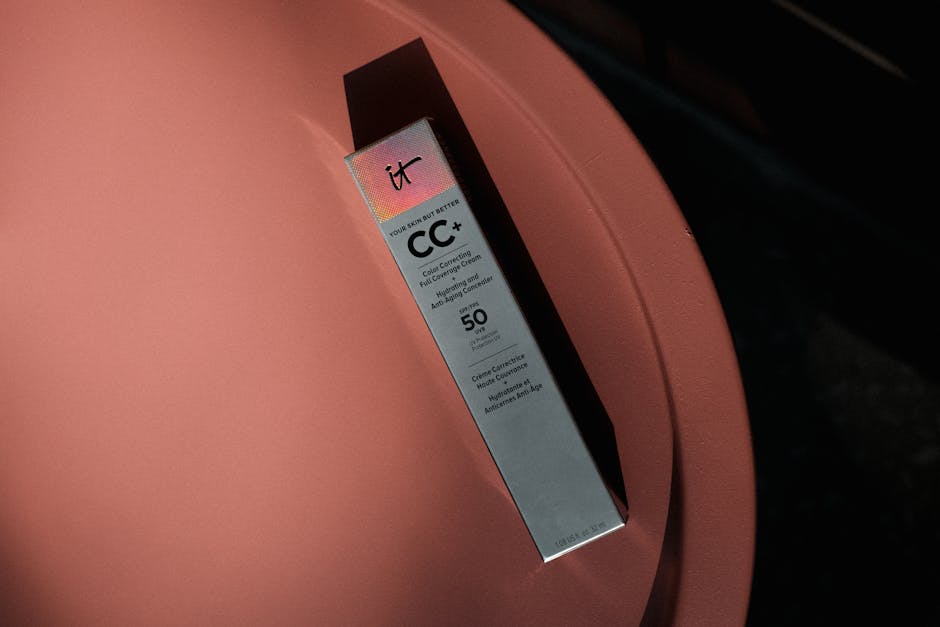
In China’s secondary packaging segment, paper alternatives like fiber-based materials meet demands for versatility, automation compatibility, and traceability via digital printing.[3] Brands benefit from low MOQ flexibility, enabling personalized designs that enhance unboxing experiences without compromising sustainability.
| Material | Environmental Impact | E-Commerce Suitability | Cost in 2025 |
|---|---|---|---|
| Plastic | High waste, low recyclability[3] | Affordable but regulated[1] | Low initial, high long-term[3] |
| Paper & Paperboard | Recyclable, renewable[1][3] | Durable, lightweight[3] | Competitive with scale[3] |
| Bagasse/Compostable | Biodegradable, low emissions[6] | Food-safe, emerging[2] | Rising but innovative[6] |
Key Takeaway: Paper packaging positions Chinese brands for compliance and differentiation, turning regulatory mandates into competitive edges.[1][3]
Innovations in Custom Paper Packaging for 2025
Asia’s sustainable packaging boom features innovations like rice husk and sugarcane bagasse integrations into paper composites, enhancing strength for e-commerce shipping.[2][7] Chinese manufacturers lead with offset printing, die-cutting, and embossing on recycled paper stocks, enabling intricate designs that elevate brand perception.
Smart features such as QR codes for recycling instructions and lightweight constructions reduce logistics costs, aligning with China’s e-commerce growth at a 6.31% CAGR through 2032.[3] These advancements make custom paper viable for diverse sectors, from fashion to electronics.
Emerging Trends
- Bio-Coatings: Water-based alternatives replace plastic laminates for moisture resistance.
- Modular Designs: Reusable components for repeat e-commerce orders.[1]
- Local Sourcing: Abundant paper resources minimize carbon footprints.[2]

7 Actionable Tips: Implementing Custom Paper Packaging
Transitioning to custom paper packaging requires strategic planning. Start by assessing your product needs and partnering with manufacturers offering eco-materials and design expertise. These tips ensure seamless integration for 2025 success.
- Audit Current Packaging: Calculate waste metrics and identify plastic dependencies to benchmark improvements.[3]
- Select Certified Materials: Opt for FSC-certified recycled paper for authenticity and compliance.[1]
- Design for Unboxing: Incorporate foil stamping and embossing to create memorable, shareable experiences.
- Integrate Branding: Use offset printing for vibrant, high-resolution custom graphics that reinforce sustainability messaging.
- Test Durability: Prototype with die-cut structures for e-commerce resilience in last-mile delivery.[3]
- Leverage Low MOQs: Scale designs affordably without large orders, ideal for testing market response.
- Track ROI: Monitor consumer feedback and sales uplift from eco-claims to refine iterations.[5]
Quick Reference: Benefits Summary
- Regulatory Compliance: Meets MIIT mandates ahead of 2030 deadlines.[1]
- Consumer Loyalty: Appeals to 86% of eco-aware buyers.[2]
- Cost Efficiency: Lightweight designs cut shipping expenses.[3]
- Brand Elevation: Custom features enhance perceived value.
- Scalability: Supports China’s $150B+ packaging market growth.[3]

Position Your Brand for Long-Term Success
Chinese brands adopting custom paper packaging in 2025 will not only comply with green mandates but also forge deeper connections with eco-conscious consumers.[1][5] This shift transforms packaging from a cost center into a powerful branding tool, driving loyalty in a market where sustainability defines competitiveness.
As e-commerce evolves, innovate with partners specializing in sustainable solutions to stay ahead. How will your brand redefine the unboxing experience for tomorrow’s consumers?
“`