“`html
How Urbanization Drives Demand for Custom Branded Packaging Solutions
Urbanization is reshaping global consumer habits, fueling a surge in demand for custom branded packaging solutions that meet the needs of densely populated cities. As over 4 billion people now live in urban areas—with projections reaching nearly 7 billion by 2050—businesses face unique challenges and opportunities in packaging.[2] This shift drives the global packaging market toward $1.05 trillion by 2024, propelled by rising incomes, population growth, and urban lifestyles.[1]
You operate in a landscape where city dwellers prioritize convenience, sustainability, and brand visibility amid fast-paced lives and e-commerce booms. Custom packaging emerges as a strategic tool to stand out, enhance customer experience, and address waste management pressures in crowded urban environments. This article explores how these dynamics create demand for tailored solutions like printed boxes and eco-friendly bags.
The Urbanization Boom: Key Statistics and Projections
Rapid urbanization acts as a primary growth driver for the packaging industry. In 2018, global packaging consumption hit $891 billion, projected to reach $917 billion in 2019 and $1.05 trillion by 2024 at a 2.8% CAGR.[1] Asia leads with 40.6% of world consumption, followed by North America (22.6%) and Western Europe (20.3%), where emerging regions like the Middle East, Africa, and Eastern Europe outpace mature markets.[1]
By 2050, urban populations will comprise over two-thirds of the world, with 3 million people moving to cities weekly.[2] This density amplifies waste generation—cities produced 2 billion tons in 2016, expected to rise 70% as single-use products and online shopping proliferate.[2] Emerging Asia sees heightened demand for packaged goods due to rising disposable incomes and middle-class expansion.[3]
| Region | 2018 Market Share | Growth Outlook to 2024 |
|---|---|---|
| Asia | 40.6% | Faster than global average[1] |
| North America | 22.6% | Low growth rate[1] |
| Western Europe | 20.3% | Low growth rate[1] |
| Emerging Markets (MEA, Eastern Europe) | Small share | Above-average growth[1] |
Key Takeaway: Urbanization in Asia and emerging markets will drive disproportionate packaging growth, creating opportunities for custom solutions tailored to local needs.[1][3]
How Urban Lifestyles Fuel Demand for Convenience Packaging
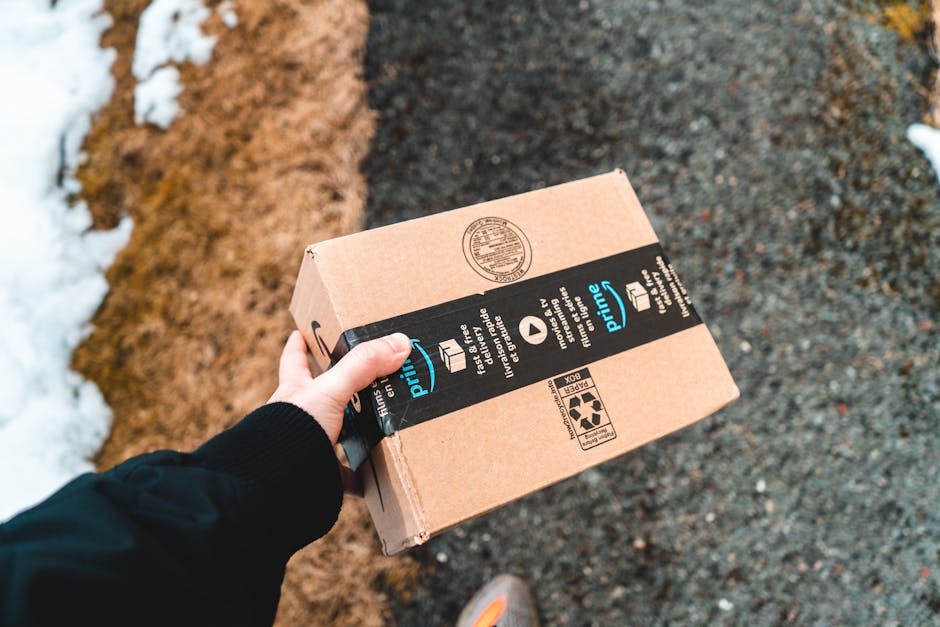
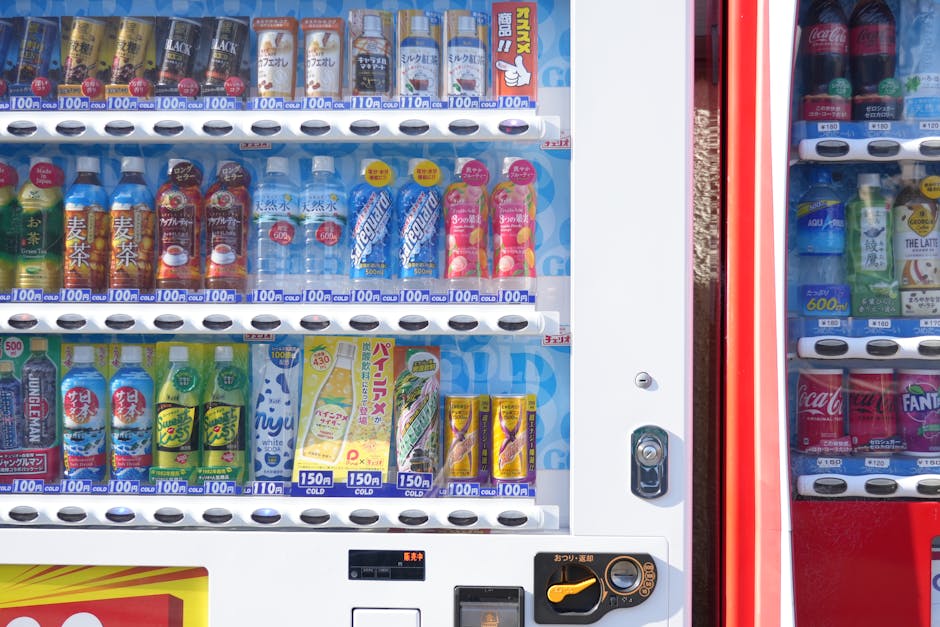
Urban consumers lead busy lives, demanding on-the-go and single-serve packaging. The rise of single-person households boosts need for smaller portions, while e-commerce—up 44% in 2020—requires durable, protective formats.[2][3] Single-use packaging supports quick consumption, with Asia Pacific dominating at 41.23% market share due to urbanization and delivery services.[5]
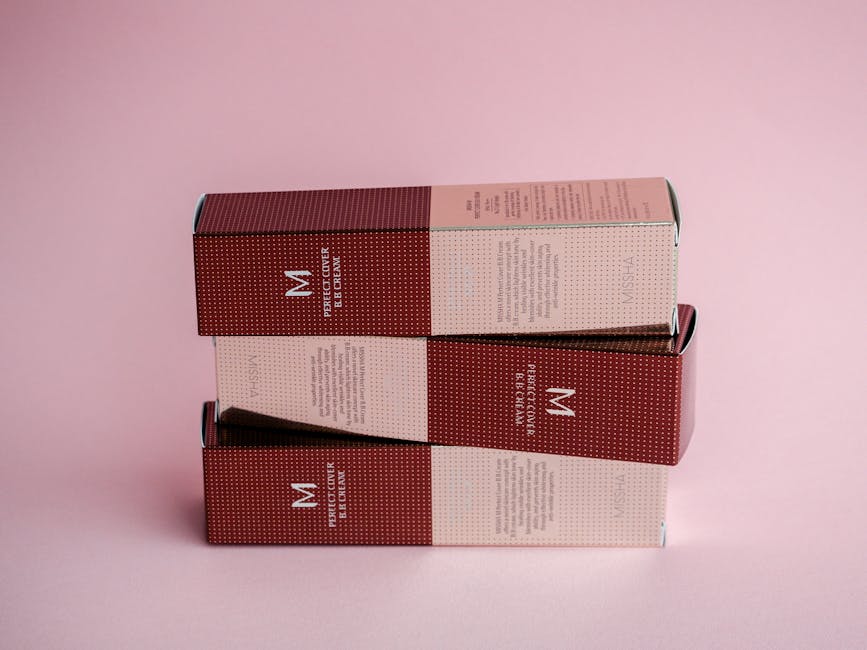
Custom branding elevates these formats, turning everyday packaging into marketing assets. Branded stand-up pouches or boxes differentiate products in competitive urban retail and delivery scenarios, where visibility drives impulse buys.[1] Flexible packaging, growing fastest globally, replaces rigid materials for cost savings and efficiency.[1]
- Single-serve portions: Ideal for urban solo dwellers seeking minimal waste.[3]
- E-commerce readiness: Custom-printed boxes withstand shipping rigors.[2]
- Grab-and-go designs: Resealable, easy-open features for fast-paced routines.[3][5]
Sustainability Pressures in Densely Populated Cities
Waste Challenges from Urban Density
Aging urban infrastructure strains under rising waste from population growth and traffic.[2] Plastic bans and consumer concerns push for alternatives like paper-based packaging, which is recyclable and compostable.[1][2] Board (33.2% of consumption) and flexible paper lead as sustainable choices.[1]
Rise of Eco-Friendly Custom Solutions
Custom branded paper boxes reduce plastic reliance while showcasing your logo via offset printing or foil stamping. Bio-based plastics and renewable materials gain traction amid environmental pressures.[1][6] In the Middle East and Africa, climate-resistant, recyclable formats address urbanization-driven needs.[6]
Key Takeaway: Paper-based custom packaging aligns with urban sustainability demands, offering recyclability without sacrificing brand impact.[2]
Branding Opportunities in Urban Markets
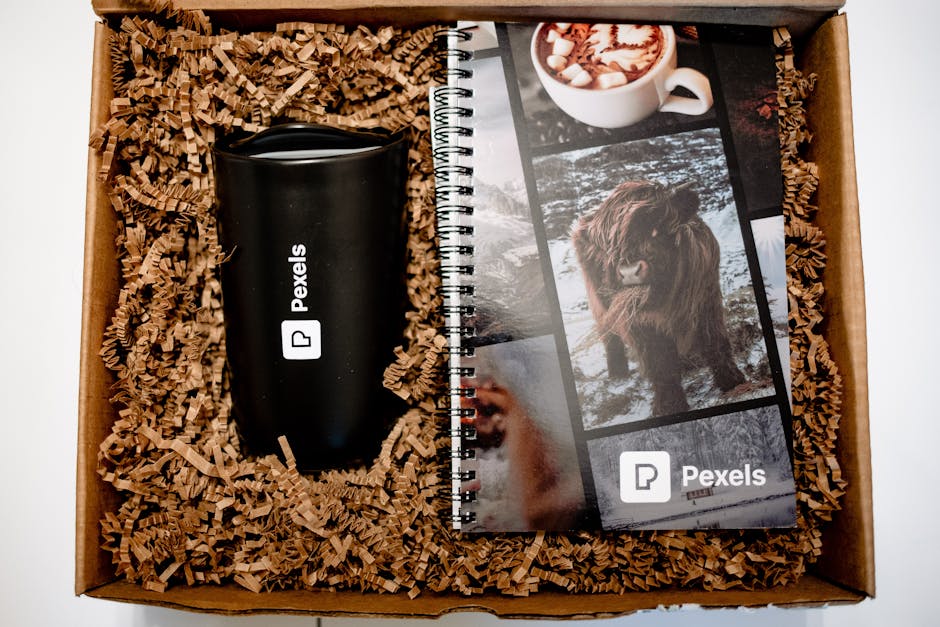
In crowded cities, custom branded packaging cuts through noise, building loyalty among middle-class urbanites seeking premium products.[3] Die-cut designs and embossing create unboxing experiences that enhance perceived value, vital for e-commerce unboxings shared on social media.[5]
With 39% of consumers prioritizing packaging’s environmental impact, branded sustainable options resonate strongly.[7] Tailored low-MOQ runs allow brands to test urban-specific designs, like compact boxes for high-rise deliveries.[1][3]
| Packaging Type | Urban Benefit | Branding Potential |
|---|---|---|
| Custom Paper Boxes | Recyclable, lightweight | Full-color printing, embossing[1][2] |
| Flexible Pouches | Cost-effective, portable | Stand-up designs with logos[1] |
| Rigid Plastics (Bio-based) | Barrier protection | Foil stamping for premium feel[1] |
Practical Tips: Implementing Custom Packaging for Urban Success
Leverage urbanization trends with these actionable strategies for your branding.
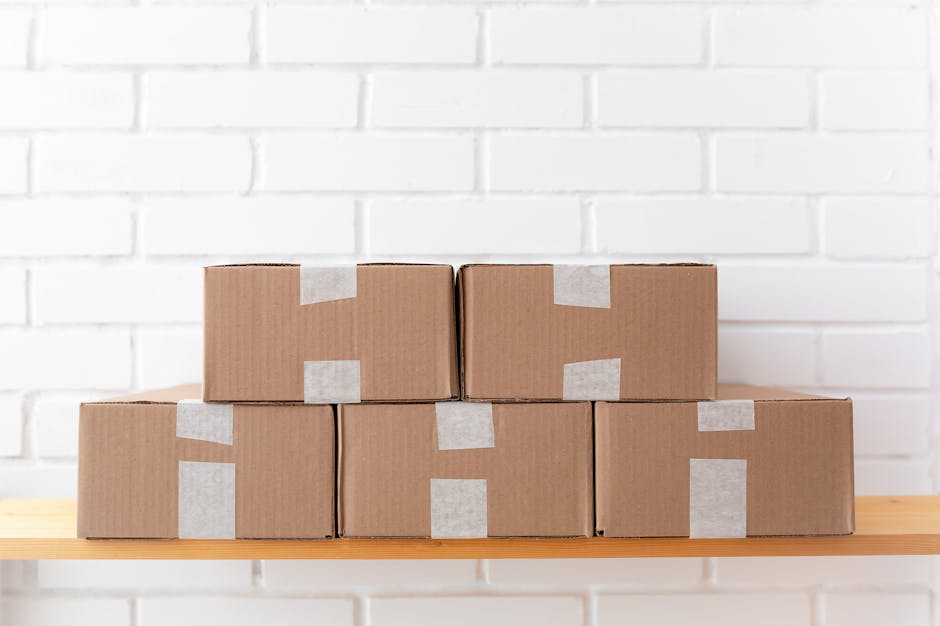
- Opt for compact, stackable designs: Reduce shipping volume in traffic-congested cities.
- Incorporate sustainable materials: Choose recyclable paper boards to meet eco-demands.[2]
- Add interactive branding: Use QR codes on custom boxes for urban tech-savvy shoppers.
- Prioritize durability for e-commerce: Die-cut reinforcements protect against urban delivery bumps.[5]
- Test low-MOQ prototypes: Adapt quickly to regional urban preferences like single-serve formats.[3]
- Enhance unboxing appeal: Foil stamping and textures create shareable moments.[1]
- Align with local regulations: Eco-friendly options navigate plastic bans seamlessly.[1]
Key Takeaway: Custom solutions like printed paper bags bridge convenience, sustainability, and branding for urban markets.
Quick Reference: Urbanization’s Impact Summary
- Market Growth: $1.05T by 2024, led by Asia.[1]
- Consumer Shifts: Convenience + sustainability in single households.[3]
- Material Trends: Flexible paper over plastics.[1][2]
- Branding Edge: Custom designs boost visibility and loyalty.

Looking Ahead: Position Your Brand for Urban Dominance
Urbanization will continue accelerating demand for innovative custom branded packaging that balances convenience, sustainability, and visual appeal. Brands adopting these solutions now gain a competitive edge in tomorrow’s megacities.
How will you adapt your packaging to thrive in this urban-driven era? Explore tailored options to elevate your brand presence.
“`