“`html
Minimalist Sustainable Designs: The Future of Eco-Conscious Branding
In 2026, minimalist sustainable designs are reshaping branding by prioritizing simplicity, eco-responsibility, and timeless appeal. Brands embracing this approach reduce environmental impact while creating memorable customer experiences that resonate in an overstimulated world[1][2].
This shift moves beyond aesthetics to a strategic imperative, where warm minimalism combines clean lines with natural materials, fostering loyalty among eco-conscious consumers[2][6]. Discover how your brand can lead with purposeful packaging that enhances value without excess.
What Defines Minimalist Sustainable Designs in 2026
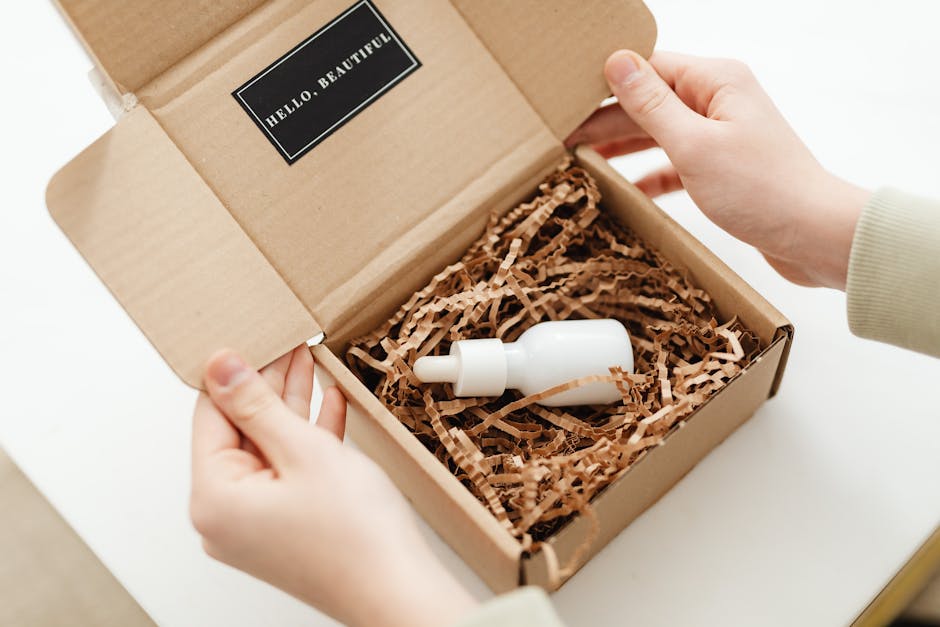
Minimalist sustainable designs strip away the unnecessary, focusing on clarity, purpose, and balance. This philosophy, prominent in 2026 trends, responds to sensory overload by emphasizing fewer, higher-quality elements[1][2].
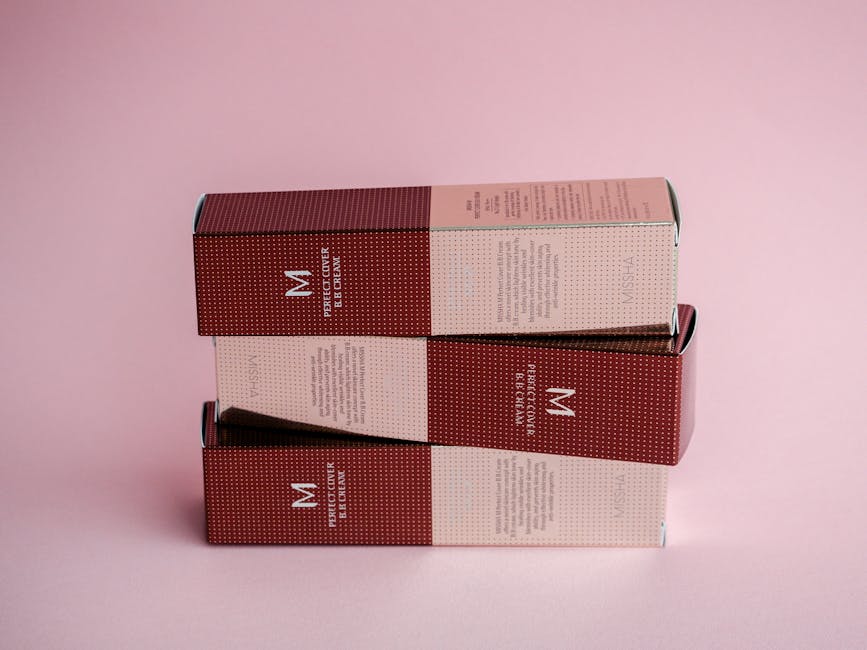
In branding, this translates to packaging with clean lines, neutral palettes, and eco-materials like recycled paper or bio-based inks. Unlike past stark minimalism, today’s version incorporates warm minimalism—soft textures and earthy tones for approachable luxury[2][6].
Consumers now demand authenticity, favoring brands that align with sustainability over disposability. This creates opportunities for custom solutions that extend product life cycles through durable, recyclable designs[3][4].
Key Takeaway: Sustainable minimalism proves that calm, clarity, and intention matter more than excess—choosing less, but better[1].
Why Minimalist Designs Drive Eco-Conscious Branding
The minimalist trend surges in 2026 as a psychological antidote to overstimulation, with search interest in related terms rising steadily since 2025[2]. Brands using this style build trust by signaling intentionality and environmental stewardship.
Sustainability integrates seamlessly: natural materials like bamboo or reclaimed fibers reduce waste while enhancing tactile appeal. This aligns with the circular economy, where packaging is designed for disassembly, reuse, or recycling[4].
Market Shifts Supporting the Trend
- Growing Demand: Minimalist home decor and furniture searches spiked in late 2025, indicating broader consumer shift toward simplicity[2].
- Youth Influence: Younger generations prioritize sustainability and fluidity, making minimalist branding a lifestyle choice[2].
- Economic Practicality: In uncertain times, adaptive living favors fewer, meaningful possessions over accumulation[2].
Key Elements of Sustainable Minimalism for Packaging
Apply sustainable minimalism to packaging by selecting materials with traceable origins, such as recycled stone composites or plant-based textiles[1][3]. These choices minimize environmental toll while delivering premium feel.
Design principles include handleless structures, matte finishes, and concealed elements for a seamless look. Earthy palettes—sage greens, warm beiges—replace cold tones, evoking soft luxury[4][6].
Material Innovations Transforming Branding
| Material | Benefits | Branding Impact |
|---|---|---|
| Recycled Paper & Bamboo | Renewable, low-waste production | Conveys eco-commitment with natural texture |
| Bio-Leathers (Cactus/Pineapple) | No animal harm, microplastic-free | Luxurious hand-feel for premium positioning[4] |
| Clay Plaster or Reclaimed Wood | Air-purifying, durable | Creates authentic, story-rich unboxing[3] |
These materials support modular designs, allowing easy customization like embossing or foil stamping without compromising sustainability.
Key Takeaway: Warm minimalism evolves from sterile simplicity to inviting designs with natural textures and personal comfort[2].
Real-World Examples of Brands Leading the Way
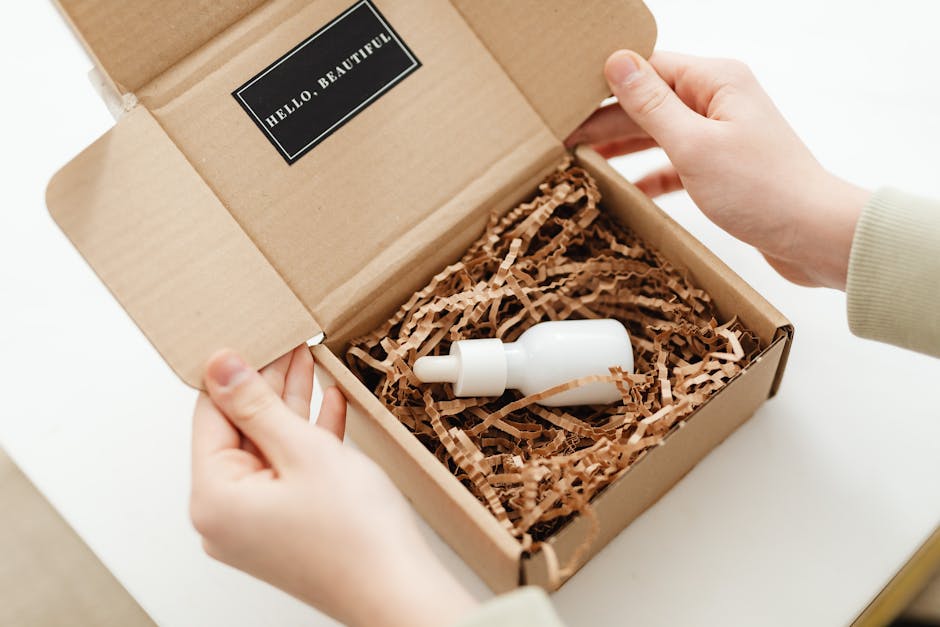
Forward-thinking brands exemplify this trend through purposeful packaging. Consider concepts like sage-green clay-finished boxes that purify air or reclaimed teak structures treated with plant oils[4].
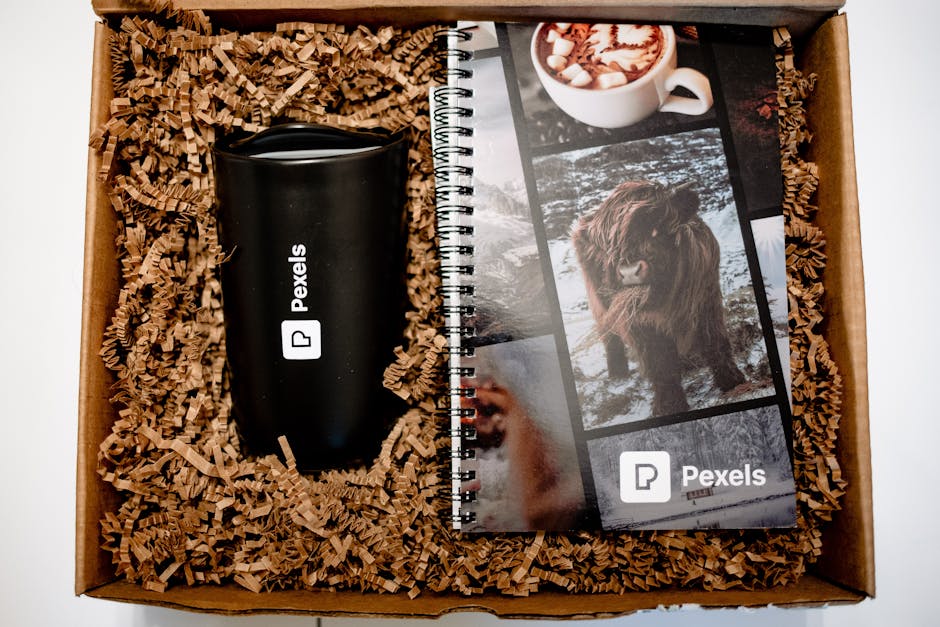
In e-commerce, low-MOQ custom boxes with frameless mirrors or floating elements create zero-friction unboxing, aligning with 2026’s demand for intuitive experiences[2]. These designs turn packaging into a brand storyteller.
From Interiors to Packaging: Cross-Industry Inspiration
- Handleless cabinetry inspires tuck-tab closures for effortless access[1].
- Recycled ocean plastic workbenches translate to durable, conversation-starting gift boxes[4].
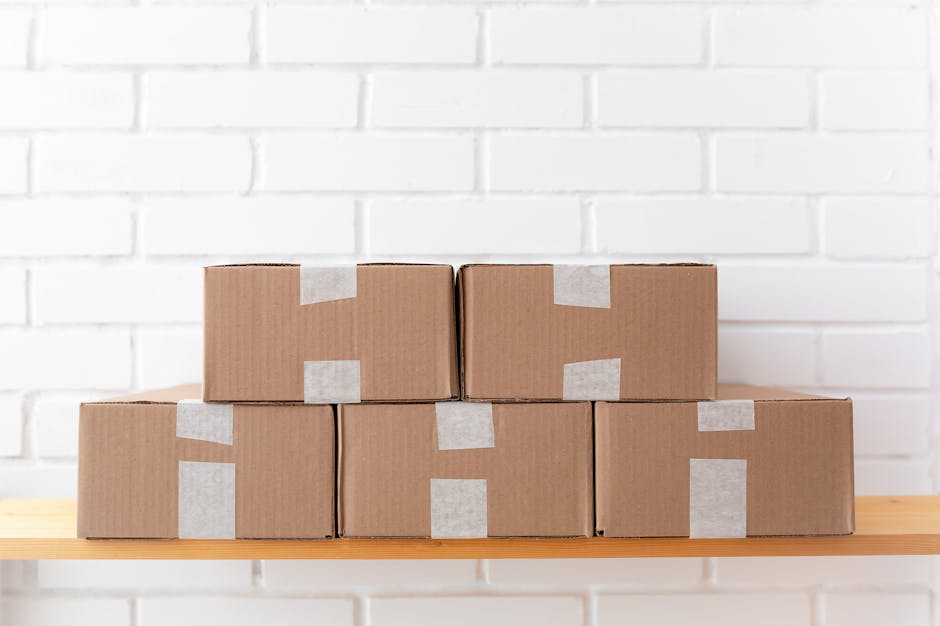
- Neutral-toned, ergonomic layouts inform stackable shipping solutions that reduce visual stress[1].
7 Practical Tips to Implement Minimalist Sustainable Packaging
Transform your branding with these actionable steps, leveraging custom printing and die-cutting for precision.
- Audit Excess: Remove non-essential elements; focus on 2-3 colors and one signature texture for impact.
- Choose Traceable Materials: Opt for FSC-certified recycled paper or bio-fibers with verified origins[3].
- Incorporate Warm Neutrals: Use earthy palettes to evoke coziness without clutter[4][6].
- Design for Disassembly: Create flat-pack boxes that reassemble easily for returns or reuse[4].
- Add Subtle Enhancements: Apply matte lamination, embossing, or foil for tactile luxury.
- Test Unboxing Flow: Ensure zero-friction opening with clean lines and intuitive folds[2].
- Partner with Experts: Work with manufacturers offering low MOQ for custom eco-solutions.
Quick Reference: Benefits of Minimalist Sustainable Branding
- Reduces material waste by up to 50% through efficient designs[4].
- Boosts perceived value with quiet luxury aesthetics[1][3].
- Attracts eco-shoppers, with minimalism searches growing 20-30% yearly[2].
- Enhances recyclability, supporting circular economy goals.
- Lowers costs via fewer components and sustainable sourcing.
Conclusion
Minimalist sustainable designs position your brand as a leader in 2026’s eco-conscious landscape, blending innovation with responsibility. By adopting warm minimalism, natural materials, and purposeful forms, you create packaging that delights, sustains, and endures.
Ready to elevate your branding? Explore custom solutions that turn simplicity into your competitive edge—what’s your first step toward sustainable luxury?
“`