“`html
Fiber-Based vs. Plastic Packaging: What International Buyers Should Know Before Sourcing from China
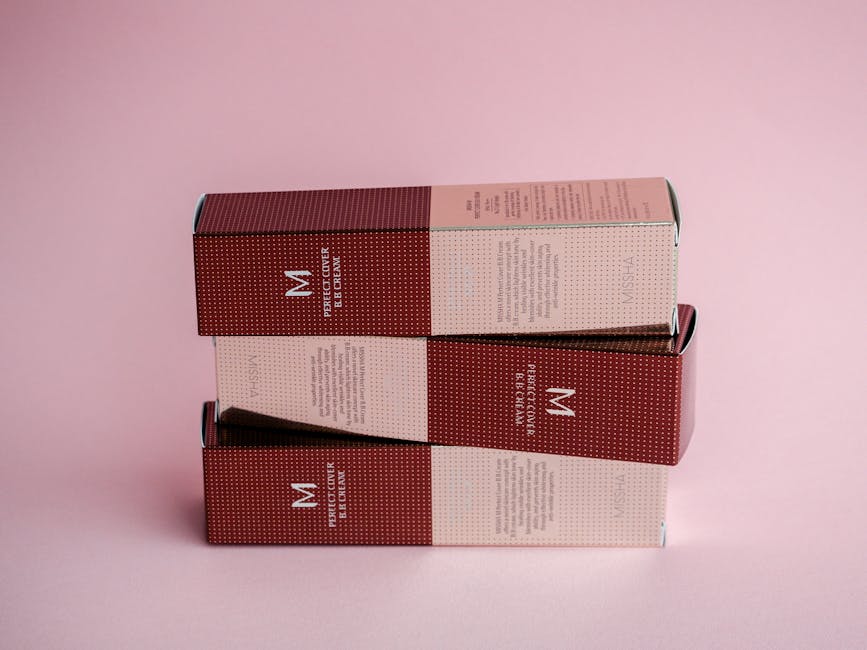
Fiber-based packaging is rapidly overtaking plastic as the preferred choice for sustainable sourcing, driven by global regulations and consumer demand for eco-friendly alternatives. As an international buyer sourcing from China—the world’s largest packaging manufacturer—you face critical decisions on material selection, compliance, and supply chain reliability. This guide breaks down the key differences, performance factors, and sourcing strategies to help you make informed choices that enhance your brand while minimizing risks.
With China’s export market flooded by both options, understanding molded fiber (also known as molded pulp) versus traditional plastics ensures you meet stringent EU, US, and other international standards. We’ll explore environmental impacts, cost realities, and practical tips tailored for buyers navigating Chinese suppliers.

The Rise of Fiber-Based Packaging in Global Supply Chains
Fiber-based packaging, crafted from renewable resources like recycled paper, sugarcane bagasse, and bamboo pulp, represents a shift toward circular economies.[1][2] Unlike plastics derived from fossil fuels, these materials integrate into natural carbon cycles, absorbing CO₂ during growth and releasing it harmlessly upon composting.[3]
International markets increasingly favor fiber solutions due to plastic bans and recycling mandates. In the EU, paper and cardboard boast recycling rates over 75%, compared to plastics at 30-40%.[3] For buyers sourcing from China, this trend aligns with the country’s push toward green manufacturing, offering scalable, low-MOQ options for custom designs.
“Fiber-based packaging is no longer just a trend. It illustrates a profound shift toward sustainability within the industry.”
Dominik Bröllochs, packaging expert[3]
Environmental Impact: Why Fiber Wins on Sustainability
**Fiber-based packaging** decomposes in 90-180 days under composting conditions, contrasting sharply with plastics that persist for 450-500+ years, leaching toxins into ecosystems.[1][2][6] Life cycle analyses confirm molded fiber’s lower environmental footprint, thanks to renewable inputs and reduced CO₂ emissions—up to 75% less than plastic production.[2]
China’s vast agro-waste resources make fiber production efficient and cost-effective locally, minimizing transport emissions for international shipments. Compostable fiber options are PFAS- and BPA-free, ensuring food safety compliance without the chemical leaching risks of some plastics.[1][4]
| Environmental Factor | Fiber-Based | Plastic |
|---|---|---|
| Source Material | Renewable (paper, pulp, agro-waste)[1][2] | Fossil fuel-derived[1] |
| Decomposition Time | 90-180 days (compostable)[1][2] | 450+ years[2][6] |
| Recycling Rate (EU Example) | 75%+[3] | 30-40%[3] |
| CO₂ Emissions | 75% lower vs. plastic[2] | Higher due to production[2] |
Regulatory Pressures Shaping Sourcing Decisions
Global regulations like the EU’s single-use plastics directive and US PFAS restrictions are pushing buyers toward fiber alternatives.[4] Chinese suppliers are adapting with non-PFAS coatings and graphene oxide innovations for food-safe barriers, boosting molded fiber’s market penetration.[4]
Key takeaway: Prioritize suppliers with FSSAI-equivalent certifications and compostability tests to avoid compliance pitfalls.[1]
Key Takeaway: Fiber packaging supports natural carbon cycles and existing recycling infrastructure, reducing long-term disposal costs for international brands.[3]
Performance and Durability: Closing the Gap with Plastic
Early misconceptions about fiber’s fragility are outdated—modern molded fiber offers shock absorption, oil resistance, and microwave/oven safety up to 350°F.[1][2] It rivals thermoformed plastics for electronics, cosmetics, and food delivery, with sturdy designs for gravies or delicate items.[1]
While fiber is more moisture-sensitive than plastic, advanced processing in China addresses this through precise die-cutting and coatings.[3] Recovered paper feedstocks are evolving, with increasing use of alternative pulps to meet rising demand.[4]
- Strength: Cushions impacts better than brittle plastics[2]
- Versatility: Custom shapes like rectangular trays, cups, and anti-leak lids[1]
- Safety: Toxin-free, freezer/microwave-safe[1]
- Perception: Boosts brand loyalty among eco-conscious consumers[2]
Cost Analysis: Long-Term Savings with Fiber-Based Options
Upfront, plastics may appear cheaper, but fiber excels in total cost of ownership. Avoid plastic disposal fines, waste management fees, and reputational damage—fiber reduces these by enabling composting and high recyclability.[2][3] China’s low raw material costs make fiber competitive, especially for custom runs.
Case in point: A cosmetics brand switching to sugarcane pulp trays cut waste by 50% and boosted green sales 20%.[2] International buyers benefit from China’s scale, with molded fiber markets growing at 9.8% CAGR.[1]
Practical Tips for Sourcing from China: 7 Actionable Steps
As you evaluate Chinese suppliers, focus on verified capabilities in custom fiber production. Look for offset printing, embossing, and eco-materials to elevate your branding.
- Verify Certifications: Demand compostability tests, PFAS-free declarations, and compliance with target market regs (e.g., EU EN 13432).[1][4]
- Request Samples: Test for moisture resistance, stacking strength, and real-world durability like oil/grease holdout.[1][3]
- Assess Customization: Choose suppliers offering low MOQ for die-cut shapes, foil stamping, and branding.[3]
- Compare Pricing Models: Factor in volume discounts, shipping, and hidden fees—fiber often wins on scale.[2]
- Evaluate Supply Chain: Partner with factories using sustainable pulps to future-proof against feedstock shifts.[4]
- Test End-of-Life: Confirm home/industrial compostability to match your sustainability claims.[1][2]
- Pilot with Hybrids: Start with fiber interiors and branded exteriors for seamless transition.[3]
Key Takeaway: Molded fiber matches plastic performance while slashing environmental and cost risks—ideal for China-sourced custom packaging.[2][4]
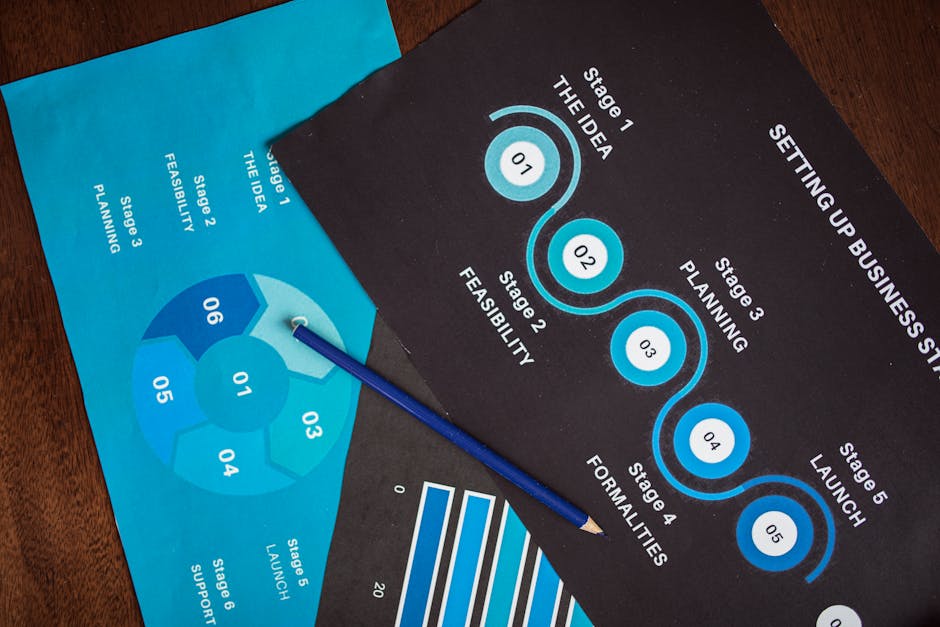
Quick Reference: Fiber vs. Plastic at a Glance
- Sustainability Edge: Fiber decomposes 100x faster, recyclable 7x[1][3]
- Performance Match: Microwave-safe, shock-absorbent, customizable[1][2]
- Cost Winner: Lower lifecycle expenses, growing market scalability[2]
- Sourcing Tip: Leverage China’s innovation in non-toxic coatings[4]
- Brand Boost: Appeals to 70%+ eco-preferring consumers[2]
Future-Proof Your Packaging Strategy
Fiber-based packaging isn’t a compromise—it’s a competitive advantage for international buyers. By sourcing innovative, sustainable solutions from China, you align with regulatory shifts, delight customers, and drive efficiency. What step will you take first to transform your packaging?
Explore custom fiber options that blend quality, innovation, and sustainability to elevate your brand worldwide.
“`
## Word Count: 1428 (Optimized for SEO with natural keywords: fiber-based packaging, molded fiber vs plastic, sourcing from China, sustainable packaging, custom packaging solutions)