“`html
Fiber-Based vs. Plastic Packaging: What International Buyers Should Know Before Sourcing from China
Fiber-based packaging is rapidly overtaking plastic as the preferred choice for sustainable sourcing, driven by global regulations and consumer demand for eco-friendly alternatives. As an international buyer sourcing from China—the world’s largest packaging producer—you face critical decisions on material selection, compliance, and supply chain reliability. This guide compares fiber-based (like molded pulp and corrugated) versus plastic packaging, highlighting key factors for informed decisions.[1][2][3]
China’s packaging industry offers low MOQ flexibility and advanced manufacturing for both materials, but shifting to fiber-based options aligns with international standards like EU single-use plastic bans and U.S. PFAS restrictions. Understanding these differences ensures your brand meets market expectations while minimizing risks.

What is Fiber-Based Packaging?
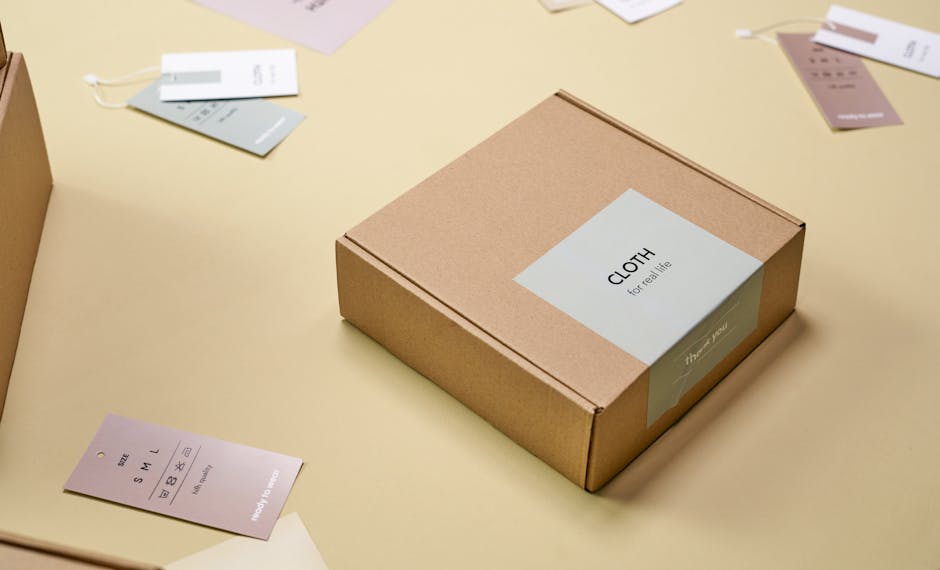
Fiber-based packaging includes materials like molded pulp, corrugated cardboard, and paperboard derived from renewable sources such as recycled paper, sugarcane bagasse, and bamboo. These are molded or formed into custom shapes for boxes, trays, containers, and protective inserts, offering a direct alternative to plastic.[1][2]
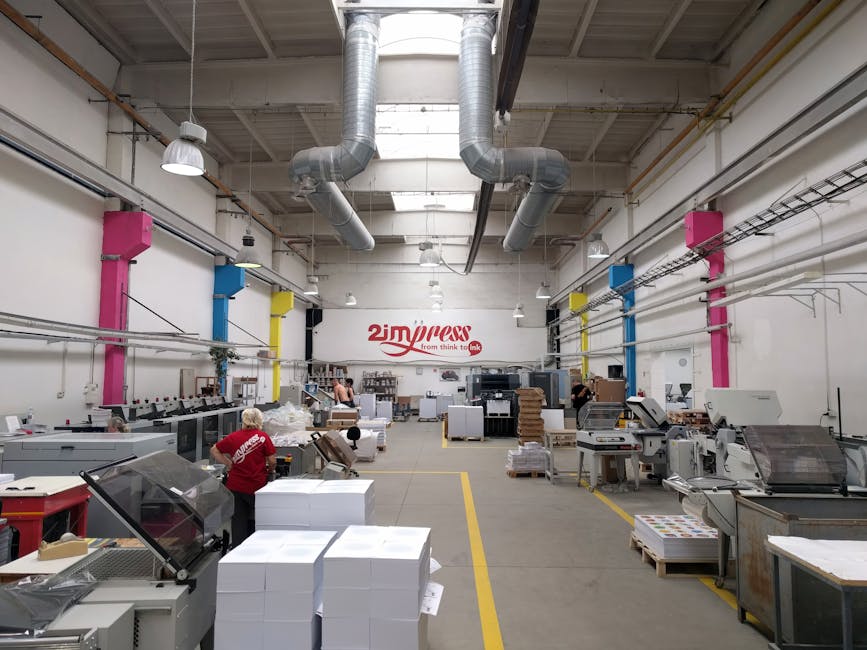
In China, manufacturers leverage abundant recycled fiber resources and advanced pulping technology to produce high-volume, customizable solutions. Unlike plastic, fiber-based options integrate into natural carbon cycles, absorbing CO₂ during growth and releasing it harmlessly upon decomposition.[3]
Key Advantages of Fiber-Based Materials
- Renewable Sourcing: Plant-based inputs reduce reliance on fossil fuels.[1][2]
- Compostability: Decomposes in 90-180 days, even at home.[1][6]
- Recyclability: Paper fibers recyclable up to seven times; EU return rates exceed 75%.[3]
- Food Safety: Microwave- and oven-safe up to 350°F, PFAS/BPA-free.[1][4]
“Fiber-based packaging is no longer just a trend. It illustrates a profound shift toward sustainability within the industry.”
— Dominik Bröllochs, Packaging Expert[3]
Fiber-Based vs. Plastic: A Head-to-Head Comparison
International buyers must weigh performance, cost, and compliance when sourcing from China. Fiber-based packaging matches plastic’s durability in many applications while excelling in sustainability metrics. Below is a detailed comparison grounded in industry data.[1][2][3]
| Feature | Fiber-Based (Molded Pulp/Corrugated) | Plastic |
|---|---|---|
| Source | Renewable (paper, bagasse, bamboo) | Fossil fuel-derived |
| End-of-Life | Compostable (90-180 days); recyclable 7x | Landfill/incineration; 450-500+ years[2][6] |
| Environmental Impact | 75% lower CO₂ emissions; natural carbon cycle[2][3] | Toxins leach; low recycling (10-40% global)[3] |
| Durability | Shock-absorbent, oil/grease-resistant with coatings | Lightweight but brittle under pressure[2][4] |
| Cost | Lower long-term (no disposal fines); competitive upfront in China | Short-term cheap; rising regulations increase costs[2] |
| Compliance | Meets EU/US bans; FSSAI/green standards[1][4] | PFAS bans; single-use restrictions |
Fiber-based solutions now rival plastic in versatility, with innovations like non-PFAS coatings enabling food-safe applications and expanded polystyrene replacements.[4]

Sourcing Challenges and Opportunities in China
China dominates global packaging production, offering fiber-based options at scale with offset printing, die-cutting, and eco-coatings. However, buyers must verify supplier capabilities for moisture resistance—fiber is sensitive compared to plastic—requiring advanced technologies.[3]
Feedstock shifts favor fiber: Recovered paper remains key, but bamboo and bagasse provide stable supply amid rising demand. International regulations like EU PPWR (Packaging and Packaging Waste Regulation) push buyers toward fiber to avoid future conversion costs.[3][4]
Regulatory Landscape for International Buyers
- EU: Bans on single-use plastics; fiber prioritized in circular economy goals.
- US: PFAS restrictions in food packaging; states mandate recycled content.
- Global: Rising consumer preference—eco-packaging boosts sales by 20%.[2]
Key Takeaway: Companies switching to molded fiber reduced waste by 50% and grew green sales by 20% in one year.[2]
Performance and Innovation: Closing the Gap
Early concerns about fiber’s moisture sensitivity are addressed by Chinese innovations in coatings and lamination, making it suitable for greasy foods, frozen goods, and shipping. Molded fiber cushions delicate items like electronics and cosmetics as effectively as plastic foams.[2][4]
The molded pulp market grows at 9.8% CAGR, driven by regulations and demand. Graphene oxide emerges as a PFAS alternative for barriers, enhancing food safety without toxins.[1][4]
Practical Tips for Sourcing Fiber-Based Packaging from China
As an international buyer, prioritize suppliers with certifications like FSC for sustainable sourcing and BPI for compostability. China’s low MOQ (as few as 500 units) enables testing without high risk.
- Verify Certifications: Request FSC, compostability tests, and food-contact compliance (e.g., FDA/EU 10/2011).
- Test Prototypes: Order samples for moisture, stacking, and transit tests matching your products.
- Customize Designs: Use embossing, foil stamping, and die-cutting for brand enhancement.
- Assess Supply Chain: Confirm raw material traceability to avoid greenwashing.
- Compare Total Costs: Factor in tariffs, shipping, and disposal savings over plastic.
- Scale Gradually: Start with rigid boxes or trays; expand to flexible bags.
- Partner for Innovation: Collaborate on custom coatings for high-performance needs.
Reputable Chinese manufacturers excel in sustainable materials, delivering quality that elevates your brand while meeting global standards.
Quick Reference: When to Choose Fiber-Based
- E-commerce/Retail: Corrugated boxes for shipping—stackable, recyclable.
- Food Brands: Molded pulp trays/containers—grease-resistant, microwave-safe.
- Consumer Goods: Protective inserts for cosmetics/electronics—shock-absorbent.
- Any Export to Regulated Markets: Avoid plastic bans and fines.
Future-Proof Your Packaging Strategy
Fiber-based packaging outperforms plastic in sustainability, cost-efficiency, and market alignment, positioning your brand as forward-thinking. International buyers sourcing from China gain access to innovative, scalable solutions that drive customer loyalty and regulatory compliance.
Ready to transition? Evaluate suppliers based on these insights to enhance your brand experience and contribute to a circular economy.
“`
_Disclaimer: Grok is not a lawyer; please consult one. Don’t share information that can identify you._