“`html
How Urbanization Drives Demand for Custom Branded Packaging Solutions
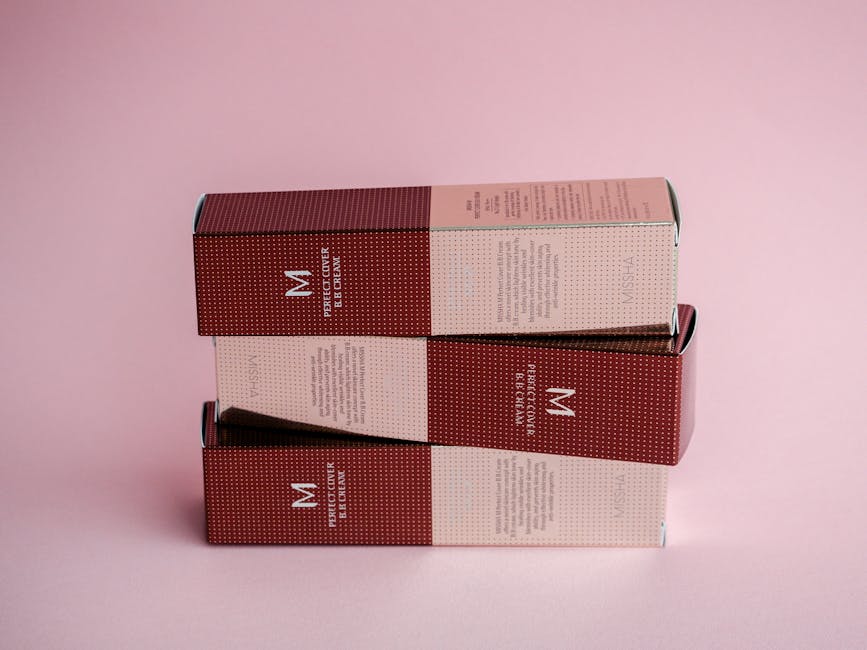
Urbanization is reshaping consumer lifestyles worldwide, fueling a surge in demand for custom branded packaging solutions. With over 4 billion people now living in urban areas—a number projected to reach nearly 7 billion by 2050—cities are hubs of fast-paced living, e-commerce growth, and heightened environmental awareness.[5] This transformation creates unique packaging needs that go beyond protection, emphasizing branding, convenience, and sustainability to help brands stand out in crowded markets.
As urban dwellers prioritize on-the-go products and personalized experiences, businesses must adapt with tailored packaging that enhances brand loyalty and meets logistical demands. This article explores how urbanization intersects with packaging trends, backed by market data, and offers actionable strategies for your brand.[1][2]

The Urbanization Boom: A Catalyst for Packaging Evolution
Rapid urbanization, especially in emerging markets like Asia, is driving economic and demographic shifts that boost packaged goods consumption. As populations flock to cities, middle-class expansion leads to evolved consumption patterns favoring branded, high-quality products.[2] In regions like China and India, rising disposable incomes and manufacturing growth amplify this trend, with Asia-Pacific poised for the fastest personalized packaging expansion.[4][8]
Urban migration stresses aging infrastructure, increasing waste production and demanding smarter packaging solutions. By 2050, two-thirds of the global population will be urban, pushing the consumer packaging market toward a $1.05 trillion valuation by 2024.[5] Custom branded packaging emerges as a strategic response, offering portability and differentiation amid this density.
Key Takeaway: Urbanization isn’t just population growth—it’s a shift toward convenience-driven consumerism that custom packaging directly addresses.
How Urban Lifestyles Demand Convenient, Portable Packaging
Busy urban consumers crave convenient and portable products, spurring demand for packaging with features like easy opening, resealability, and portion control.[1] The rise of single-person households further accelerates needs for smaller, on-the-go formats, particularly in food, beverages, and ready-to-eat segments.[2]
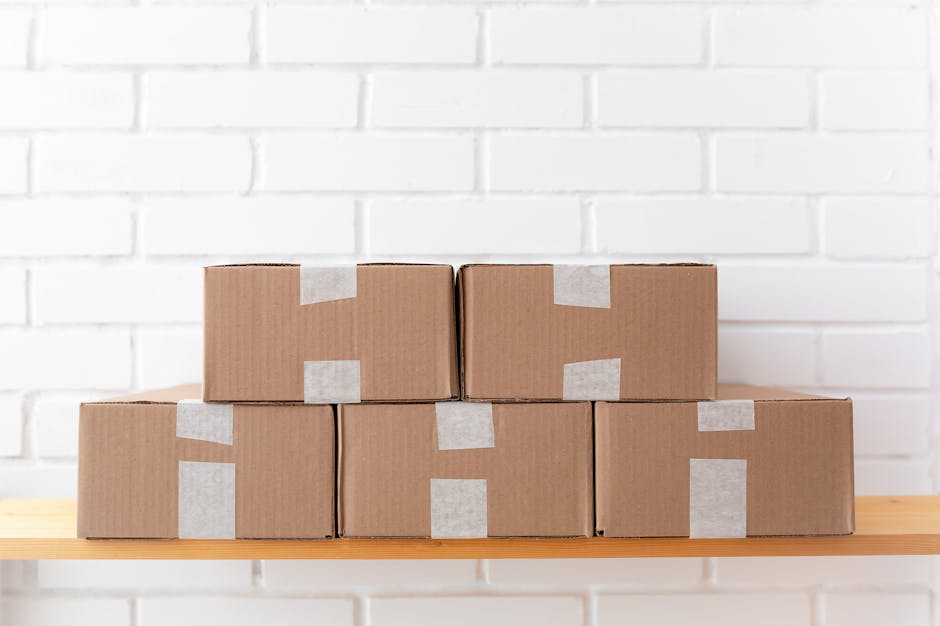
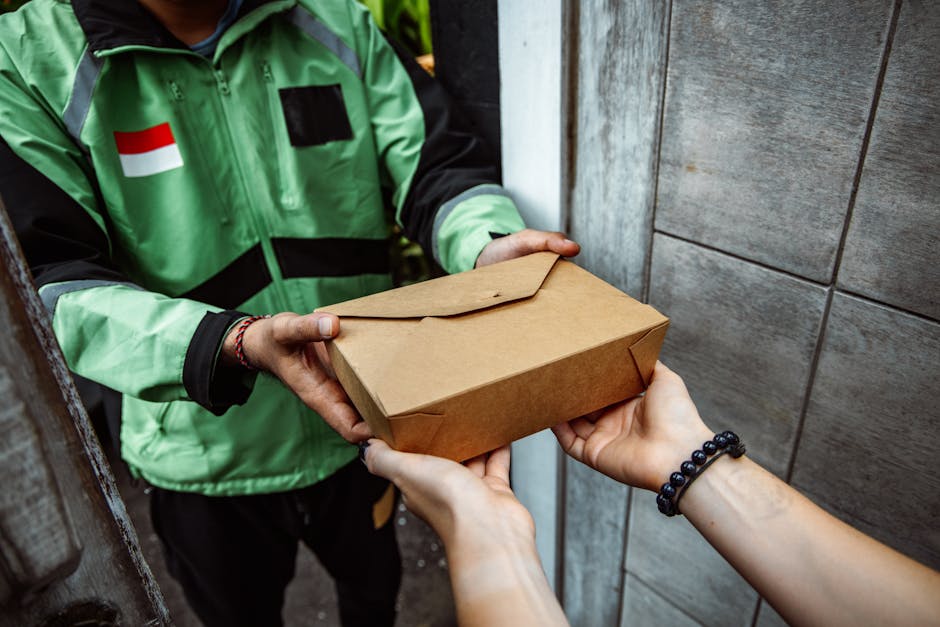
E-commerce expansion, intertwined with urbanization, transforms packaging into a protective and experiential tool. Online platforms require durable, lightweight designs to minimize damage and returns, with the U.S. market alone projecting a 5.8% CAGR for custom solutions.[1][6]
- Easy-open mechanisms suit time-strapped city dwellers.
- Resealable features cater to single-serve urban lifestyles.
- Portion-controlled packs align with rising single-person households.[2]
Sustainability Pressures in Densely Populated Cities
Rising Demand for Eco-Friendly Materials
Urban density amplifies environmental concerns, with consumers demanding eco-friendly packaging made from recycled, biodegradable, or paper-based materials.[1][5] Legislation against single-use plastics and waste directives push brands toward circular economy solutions, expanding paper packaging’s role.[3]
Custom designs allow integration of sustainable techniques without sacrificing branding, appealing to eco-conscious urban buyers. In China’s manufacturing hubs like Guangdong, brands adopt these for e-commerce exports, supporting a 7.5% regional growth rate.[3]
Challenges of Urban Waste Management
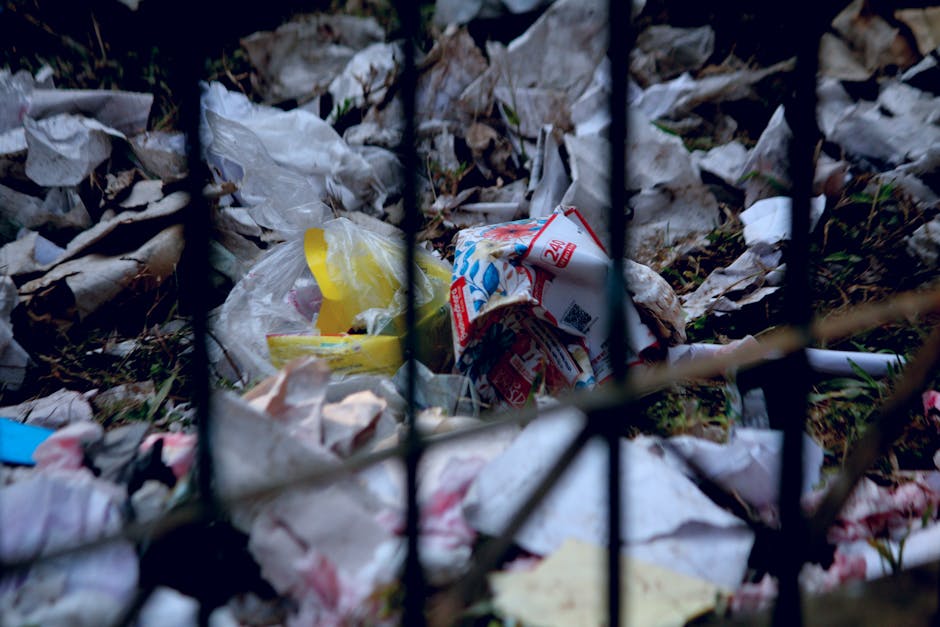
Aging city infrastructure struggles with packaging waste from 3 million weekly urban migrants.[5] Custom branded solutions mitigate this by prioritizing recyclable formats, reducing returns through superior protection, and enhancing recyclability.[1]
| Material Type | Urban Benefit | Market Driver |
|---|---|---|
| Paper-Based | Recyclable, lightweight | Plastic alternative demand[5] |
| Biodegradable | Reduces landfill waste | Environmental regulations[3] |
| Recycled Content | Supports circular economy | Consumer awareness growth[1] |
Key Takeaway: In urban settings, sustainable custom packaging isn’t optional—it’s a competitive necessity driven by waste challenges and green consumer preferences.
E-Commerce and Branding in Urban Markets
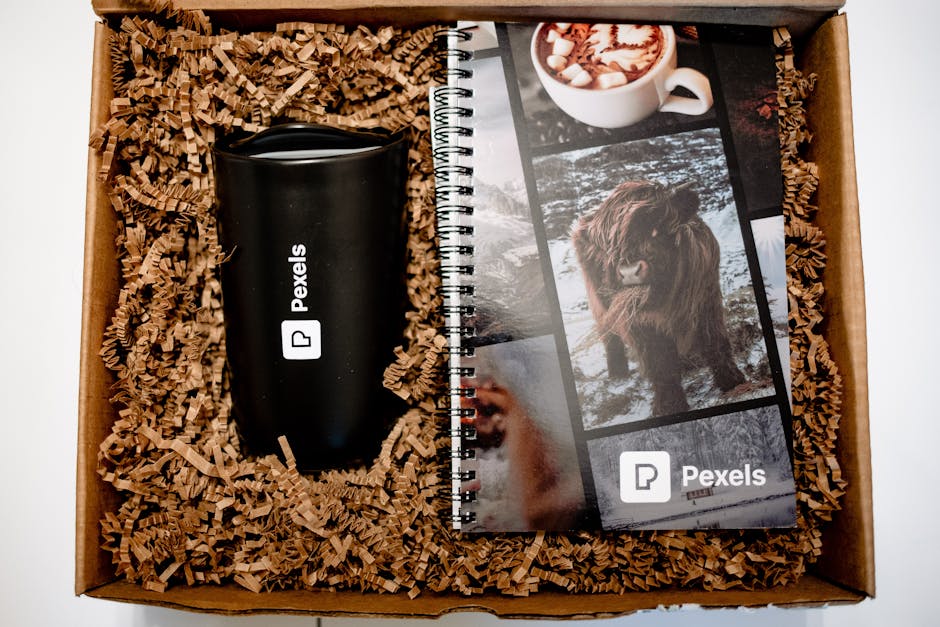
Urbanization supercharges e-commerce, with platforms demanding custom packaging for unboxing experiences that build emotional connections.[1][4] North America leads with 40.8% market share in 2025, fueled by tech adoption and branded personalization.[4]
Printing innovations like digital and offset enable intricate, full-color designs at scale, ideal for food/beverage sectors showing strongest growth.[1][3] In Brazil’s urban centers like São Paulo, FMCG brands integrate custom packs for differentiation, achieving 5.9% growth.[3]
- Personalized elements like names/photos foster loyalty.
- Brand storytelling via designs enhances recognition.
- Protective features cut e-commerce returns.[1][6]
Global Market Growth Fueled by Urban Trends
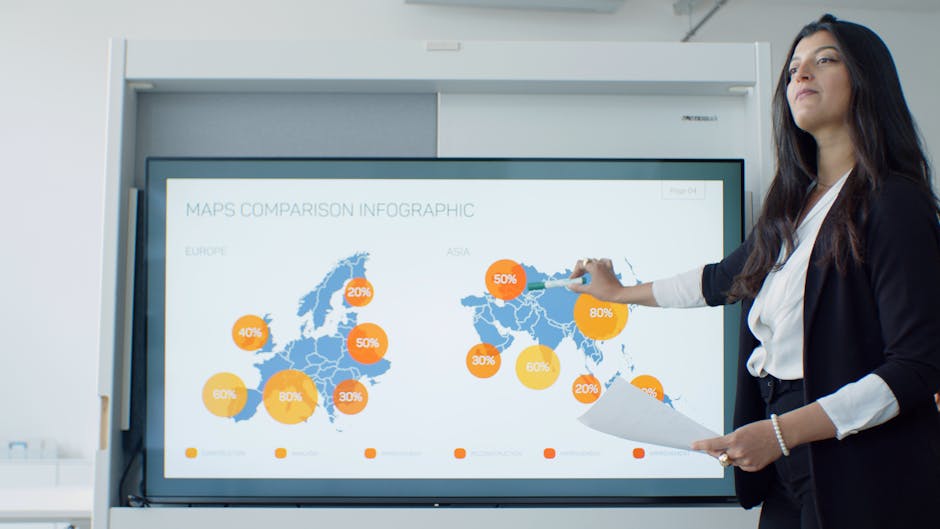
The custom packaging market hit $43.88 billion in 2023, growing at 5.32% CAGR, propelled by urbanization and consumerism.[7] From 2019-2023, a 7.2% CAGR reflected urban purchasing power surges.[1]
Asia-Pacific outpaces others, with China as a hub for efficient, branded solutions amid e-commerce booms.[3][4] Ready-to-eat and beverage packaging claims 54% of food/beverage demand, underscoring urban convenience needs.[3]
7 Practical Tips for Leveraging Custom Packaging in Urban Markets
Tailor your packaging strategy to urban demands with these actionable steps, drawing on advanced techniques like die-cutting, embossing, and foil stamping for standout results.
- Prioritize portability: Design for easy-carry with handles and compact sizes suited to city commutes.[1]
- Incorporate sustainability: Use recycled paper or biodegradable options to align with urban eco-values.[5]
- Enhance branding: Add personalized prints via digital methods for memorable unboxings.[4]
- Optimize for e-commerce: Ensure lightweight, durable protection against transit damage.[6]
- Focus on convenience features: Include resealable closures for single-person urban households.[2]
- Test urban-specific designs: Prototype for portion control in ready-to-eat products.[3]
- Scale with low MOQs: Partner with flexible manufacturers for custom runs without high volumes.
Key Takeaway: These tips transform urbanization challenges into branding opportunities through innovative, custom solutions.
Quick Reference: Urbanization’s Impact Summary
- Population Shift: 4B urban now, 7B by 2050—drives convenience demand.[5]
- Market Growth: $43.88B in 2023, 5.32% CAGR.[7]
- Key Sectors: E-commerce, food/beverage lead adoption.[1][3]
- Regional Hotspots: Asia-Pacific fastest-growing.[4]
- Sustainability Focus: Eco-materials essential for urban compliance.[1]
Future-Proof Your Brand Amid Urban Growth
Urbanization will continue propelling custom branded packaging as a vital tool for differentiation, sustainability, and consumer engagement. Brands that invest in tailored, eco-friendly designs now position themselves for long-term success in densifying cities.[1][2]
How will your packaging evolve to meet the needs of tomorrow’s urban consumer? Explore custom solutions that blend innovation with practicality to elevate your brand experience.
“`