“`html
How Urbanization Drives Demand for Custom Branded Packaging Solutions
Urbanization is reshaping global consumer behavior, fueling a surge in demand for custom branded packaging solutions. With over 4 billion people now living in urban areas—and projections reaching nearly 7 billion by 2050—city dwellers crave convenient, portable, and personalized products that fit their fast-paced lifestyles.[5] This shift is propelling the custom packaging market, valued at $43.88 billion in 2023 and growing at a 5.32% CAGR.[7]
Brands are responding by leveraging custom packaging as a strategic tool for differentiation, sustainability, and enhanced customer experiences. From e-commerce booms to rising eco-consciousness, urbanization creates unique opportunities for tailored packaging that boosts brand loyalty and meets urban demands.[1][2] This article explores how these trends interconnect and offers actionable insights for your packaging strategy.

The Urbanization Boom: A Catalyst for Packaging Innovation
Rapid urbanization, especially in emerging markets like Asia, is driving higher disposable incomes and evolving consumption patterns. As people flock to cities, they prioritize branded, high-quality packaged goods that align with their on-the-go lifestyles.[2][8] This has led to a 7.2% CAGR in the custom packaging market from 2019-2023, propelled by increased consumerism and urbanization.[1]
Urban consumers generate more waste, straining aging infrastructure and heightening the need for sustainable solutions. Over 3 million people move to urban centers weekly, amplifying demand for lightweight, durable packaging that protects products during transit while minimizing environmental impact.[5]
Key Takeaway: Urbanization isn’t just population growth—it’s a demand driver for packaging that balances convenience, protection, and planet-friendly design.[1][5]
How Urban Lifestyles Fuel Demand for Convenient Custom Packaging
The Rise of Single-Person Households and On-the-Go Products
Single-person households are proliferating in urban areas, creating a need for smaller, portion-controlled packaging. Ready-to-eat foods and beverages, which hold 54% of the food & beverages segment, demand custom solutions with easy-open features, resealability, and portability.[3]
Busy urbanites favor products with convenience elements like portion control, satisfying their shifting lifestyles and propelling market expansion.[1] Custom branding turns these essentials into memorable experiences, fostering loyalty amid crowded shelves.
E-Commerce Explosion in Dense Urban Markets
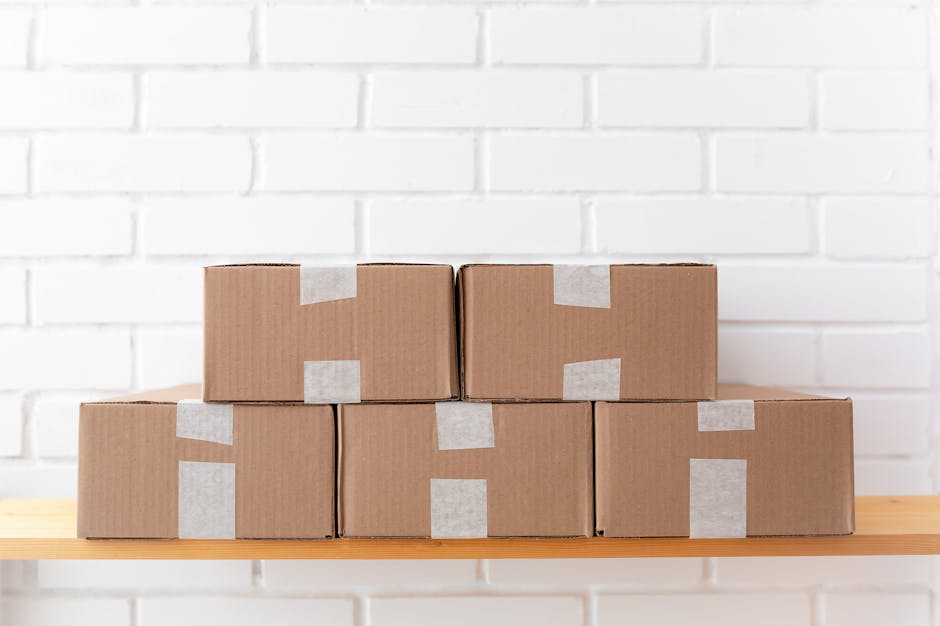
Urbanization accelerates e-commerce adoption, with platforms requiring robust, branded packaging for safe delivery. The U.S. custom packaging market is set for a 5.8% CAGR, driven by online shopping’s unique needs.[1] In China, regions like Guangdong and Shanghai lead with 7.5% growth, integrating custom packaging for e-commerce differentiation.[3]

- Easy opening: Ideal for time-strapped commuters.
- Resealability: Perfect for single-person households.
- Portion control: Reduces waste in fast-paced urban routines.
Sustainability: Urbanization’s Push for Eco-Friendly Branding
Heightened environmental awareness in cities is shifting demand toward eco-friendly custom packaging. Consumers expect recycled, biodegradable materials integrated into branded designs, minimizing impact while enhancing appeal.[1][4] Paper-based alternatives are gaining traction as plastic regulations tighten amid urban waste challenges.[5]
Brands in North America, holding 40.8% market share, lead with unique, sustainable packaging boosted by e-commerce.[4] Asia-Pacific follows rapidly, with urban middle-class expansion in India and China demanding green, personalized solutions.[4][8]
| Region | Growth Driver | Key Packaging Trend | CAGR/Projection |
|---|---|---|---|
| North America | E-commerce & tech adoption | Eco-friendly personalization | 40.8% market share (2025)[4] |
| Asia-Pacific | Urban migration & middle-class growth | Biodegradable custom designs | Fastest growth[4][8] |
| Brazil | Urban retail expansion | Branded FMCG packaging | 5.9% growth[3] |
Key Takeaway: Sustainable custom packaging meets urban eco-demands, turning environmental compliance into a branding advantage.[1][5]
Branding Power: Custom Packaging as an Urban Marketing Edge
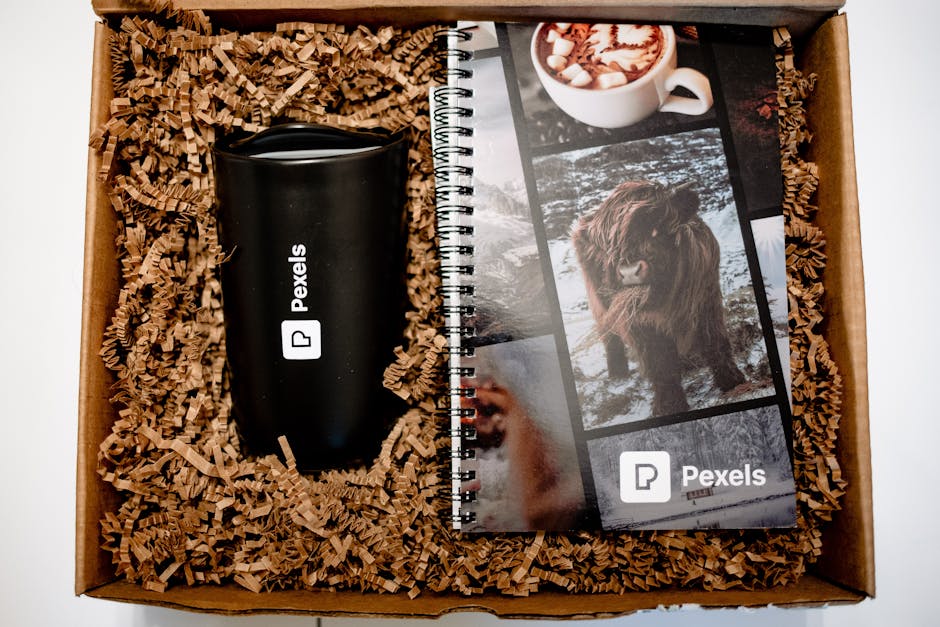
Custom packaging builds emotional connections through personalized elements like photos, names, and intricate designs enabled by offset, flexography, and digital printing.[1] In competitive urban markets, it enhances recognition, reduces returns by protecting goods, and creates unboxing excitement.[1][3]
Food, beverage, and ready-to-eat sectors lead, using custom solutions for storytelling and differentiation. Asia-Pacific’s urban boom, with 40.8% personalization demand, underscores branding’s role in loyalty.[4]
7 Practical Tips for Leveraging Custom Packaging in Urban Markets
Adapt your packaging strategy to urbanization’s realities with these actionable steps. Focus on low MOQ flexibility, advanced printing, and sustainable materials to stay competitive.
- Prioritize portability: Design for urban commuters with lightweight, resealable formats using durable paper stocks.[1]
- Incorporate sustainability: Opt for recycled or biodegradable materials to appeal to eco-conscious city dwellers.[1][5]
- Enable personalization: Use digital printing for variable data, adding names or messages for emotional impact.[3][4]
- Enhance e-commerce readiness: Ensure tamper-evident, protective designs that withstand urban delivery rigors.[6]
- Target single-serve trends: Create portion-controlled packs for rising single-person households.[2]
- Leverage advanced techniques: Apply embossing, foil stamping, and die-cutting for premium urban branding.[1]
- Test urban-specific features: Include easy-open mechanisms for aging populations and busy professionals.[2]
Quick Reference: Urbanization’s Impact on Packaging Demand
- Market Growth: $43.88B in 2023, 5.32% CAGR.[7]
- Key Driver: 4B+ urban dwellers by 2050, demanding convenience.[5]
- Top Sectors: Food/beverage (54% share), e-commerce.[3]
- Regional Hotspots: Asia-Pacific (fastest), North America (leader).[4]
- Must-Have Features: Sustainable, personalized, portable.[1][2]
Conclusion
Urbanization is transforming the packaging landscape, making custom branded solutions indispensable for brands targeting city consumers. By embracing convenience, sustainability, and personalization, you can turn urban challenges into opportunities for deeper customer engagement and market leadership.[1][2][5]
As urban populations swell, how will your packaging evolve to capture this dynamic demand? Forward-thinking brands investing in innovative, eco-friendly custom designs today will define tomorrow’s success.
“`