



Minimalist Sustainable Designs: The Future of Eco-Conscious Branding
Minimalist sustainable design is rapidly becoming the visual language of eco-conscious brands worldwide. As consumers demand authenticity, transparency, and responsibility, stripped‑back aesthetics paired with low‑impact materials are moving from niche to mainstream in branding and packaging.[7][6]
For e-commerce brands and product manufacturers, this shift is not just about looking clean and modern. It is about aligning every visible touchpoint—especially your packaging—with values of sustainability, simplicity, and long-term trust. This article explores how you can leverage minimalist sustainable design to future‑proof your eco-conscious brand.
You will learn why this trend matters, which design principles to focus on, how materials and printing choices affect your footprint, and how a packaging partner like Epack can help you translate these ideas into high‑impact, low‑waste solutions.
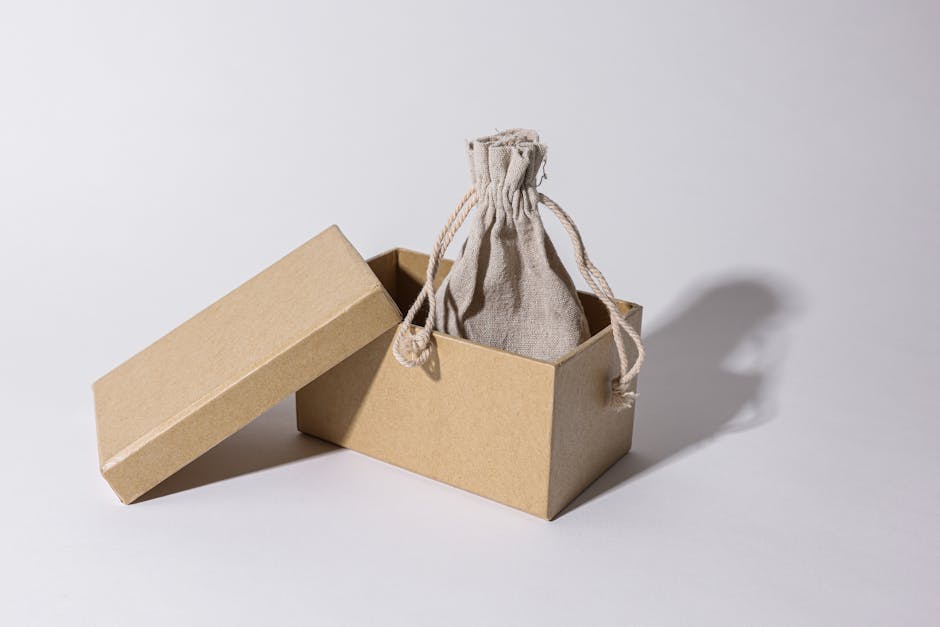
Why Minimalist Sustainable Design Is Dominating Eco-Conscious Branding
Across product, industrial, and packaging design, sustainability and minimalism are now core drivers of innovation.[6][7] Sustainable branding is no longer a differentiator; it is the baseline expectation for many consumers, especially younger demographics.
Reports on 2025 design trends highlight three converging forces: demand for eco‑friendly materials, preference for simple and functional aesthetics, and a shift toward circular economy principles in product and packaging design.[6][3][4]
Shifts in Consumer Expectations
Eco-conscious consumers increasingly look for:
- Clarity – straightforward messaging and honest material choices that avoid “greenwashing”.[7]
- Simplicity – clean layouts and reduced clutter that communicate confidence and trust.[6]
- Responsibility – visible evidence of recyclable, reusable, or compostable materials and reduced packaging volume.[7][3]
Minimalist sustainable designs respond to all three by eliminating excess—ink, components, and messaging—while elevating what truly matters: your product and your values.
Key Takeaway: Minimalist sustainable design is the visual proof of your environmental values—clean aesthetics, honest materials, and less waste working together to build trust.
Core Principles of Minimalist Sustainable Branding
Minimalist branding does not mean empty or generic; it means intentional. When paired with sustainability, it becomes a framework for designing packaging and visuals that are both beautiful and responsible.[6][7]
1. Less, But Better
In packaging and visual identity, the “less, but better” principle focuses on:
- Reduced components – eliminating unnecessary inserts, coatings, and plastic windows.[7]
- Focused layouts – more negative space, fewer typefaces, and only essential information.[6]
- Single core message – highlighting one clear benefit or story instead of multiple competing claims.
This approach decreases material use and simplifies recycling, while giving your brand a refined, confident presence.
2. Function-Led Aesthetics
Minimalist sustainable branding treats packaging as a tool first, canvas second. Industrial design trends emphasize simplicity, functionality, and clear hierarchy to enhance user experience and reduce waste.[6]
On a structural level this means right‑sized boxes, efficient die‑cuts, and fold designs that use less board and less tape—areas where a manufacturer like Epack can optimize both cost and material consumption.
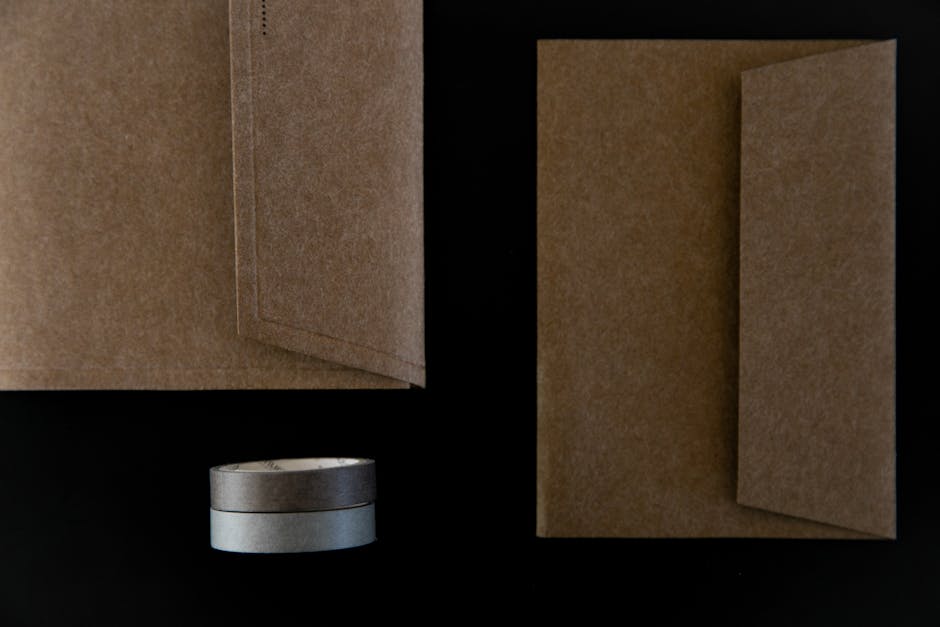
3. Authentic Natural Visuals
Sustainable design trends in interiors and products highlight natural materials, warm neutrals, and biophilic influences.[3][4][5] In branding, these cues translate into:
- Earth‑inspired palettes – forest greens, warm earth tones, and stone greys.[3][5]
- Subtle textures – visible paper grain, uncoated stock, and tactile embossing rather than glossy laminates.
- Organic forms – soft lines, rounded shapes, and simple icons inspired by nature.[3]
These visual choices signal ecological sensitivity before a word of copy is read.
Key Takeaway: Effective minimalist sustainable branding removes visual and material clutter so your core message, product, and ethics stand out clearly.
Sustainable Materials That Support Minimalist Design
2025 sustainable design trends emphasize materials that are durable, low impact, and circular—bamboo, cork, reclaimed wood, and responsibly sourced fiber are repeatedly highlighted.[4][3] In packaging, switching substrates is one of the fastest ways to reduce your footprint.
Material Options for Eco-Conscious Packaging
| Material | Key Benefits | Best Uses in Minimalist Branding |
|---|---|---|
| Recycled kraft paperboard | High recycled content, easily recyclable, natural look[7] | Mailer boxes, shipping cartons, hang tags, simple paper bags |
| FSC-certified paper | Responsible forestry, consistent print quality[2][3] | Premium rigid boxes, sleeves, branded inserts |
| Bamboo & grass fibers | Fast-growing, lower resource use, distinctive texture[4][8] | Special edition boxes, eco-focused product lines |
| Corrugated with high recycled content | Strong protection, reduced virgin fiber use[7] | E-commerce shippers, subscription box mailers |
A partner like Epack can advise on board grades, recycled content levels, and certifications that balance performance, cost, and sustainability for your specific product and shipping profile.
Finishes and Inks for a Lower Footprint
Healthy and sustainable design guidelines increasingly call for non-toxic, low‑VOC materials.[3][9] In packaging this includes:
- Water‑based or soy‑based inks instead of solvent-heavy formulations.
- Uncoated or matte finishes instead of plastic laminations, enabling easier recycling.
- Selective embellishments like embossing, debossing, or minimal foil rather than full‑coverage metallic films.
Minimalist design styles naturally support these choices by using fewer colors, fewer effects, and more reliance on the base material’s beauty.

Key Takeaway: Choosing the right paper, board, and ink system is as critical as choosing the right logo—materials are part of your brand story and your carbon footprint.
Design Strategies: Bringing Minimalist Sustainability into Your Packaging
Design trends for 2025—across interiors, industrial design, and décor—highlight warm minimalism: simplicity combined with comfort, tactility, and sustainability.[2][3][5] This translates directly into how you should approach your packaging design system.
Visual Identity on Packaging
To align with minimalist sustainable aesthetics, consider:
- Restrained color use – 1–2 spot colors plus black on natural substrates, mirroring nature‑inspired palettes.[3][5][7]
- High hierarchy clarity – brand mark, product name, and one key benefit or claim, nothing more.
- Readable typography – simple sans‑serif or clean serif fonts, generous line spacing, and ample margins.
These choices reduce ink coverage and reinforce a consistent, calm brand experience across channels.
Structural and Unboxing Experience
Minimalist sustainable packaging design is also about how the box behaves when opened. Packaging trend analyses emphasize right‑sizing and waste reduction as central themes for 2025.[7][6]
- Start with precise product measurements and shipping constraints.
- Eliminate redundant layers (for example, use printed mailers instead of separate outer boxes and inner cartons where appropriate).
- Replace foam or plastic fill with die‑cut paper structures or molded pulp.
- Use one clear instruction or icon to show how to recycle or re‑use the packaging.
Epack’s custom die‑cutting and engineering capabilities allow you to convert these principles into real‑world, tested structures that survive transit while using less material.
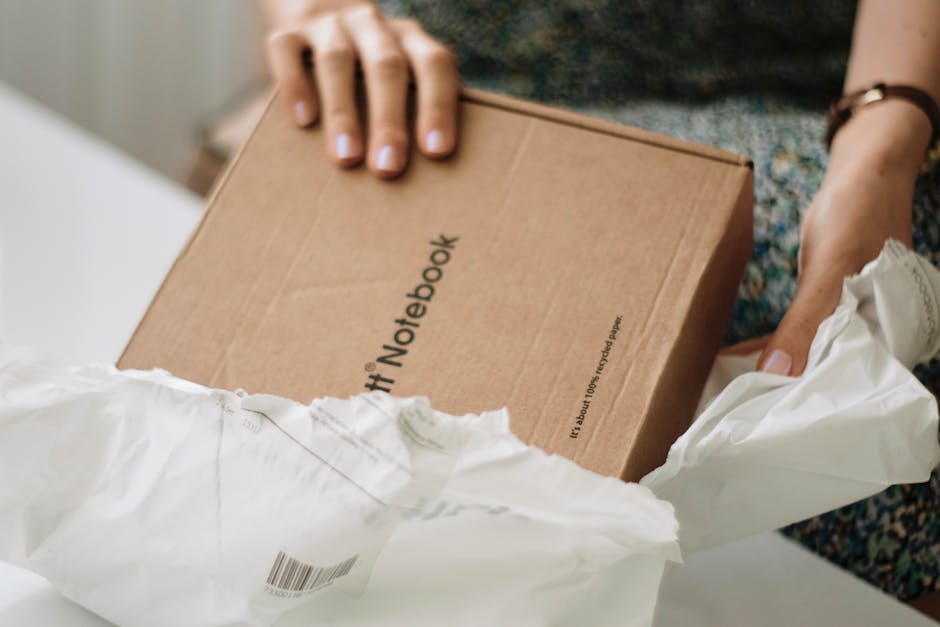
How Minimalism Strengthens Eco-Conscious Brand Positioning
Minimalist sustainable design is as much about communication as it is about aesthetics. Healthy and sustainable design research notes growing emphasis on human well‑being, transparency, and environments that reduce stress.[3][9] Brands that embody these qualities through clean, honest packaging gain strategic advantages.
Brand Benefits of Minimalist Sustainable Packaging
- Stronger differentiation – in crowded, visually noisy marketplaces, a quiet, confident pack often stands out more than a busy one.[6][7]
- Higher perceived quality – simplicity and high material quality signal premium positioning.
- Increased trust – visible sustainability choices and straightforward claims support credibility.
- Operational efficiency – fewer SKUs and simpler constructions can reduce supply chain complexity and costs.
When carried consistently across boxes, paper bags, inserts, and digital channels, your minimalist visual system becomes a clear signature of your eco-conscious brand.
Key Takeaway: Minimalist sustainable design is a strategic branding tool—helping you communicate value, responsibility, and calm clarity in a single, cohesive visual language.
Practical Tips to Implement Minimalist Sustainable Design with Epack
Translating these concepts into your next packaging order is easier if you approach it methodically. Use the following steps as a checklist when working with a custom packaging partner like Epack.
Actionable Steps for Your Next Packaging Project
- Audit your current packaging – identify non‑recyclable components, excessive void space, and unnecessary print areas that could be reduced or removed.
- Define your sustainability priorities – recycled content, certifications, compostability, or reusability; share these with your packaging supplier early in the brief.[3][4]
- Simplify your artwork – limit colors, streamline copy, and prioritize legibility; Epack’s offset printing team can help optimize files for cost and ink efficiency.
- Choose eco-friendly substrates – request options such as recycled kraft, FSC‑certified boards, and high‑recycled corrugated tailored to your product category.[2][7]
- Opt for tactile, non-plastic finishes – consider embossing, debossing, and spot varnish instead of full plastic laminates to maintain recyclability.
- Prototype and test – use structural samples from




Permalink