



“`html
Reducing Food Waste with High-Barrier Pouches and Intelligent Packaging Tech
Food waste represents a staggering crisis, with nearly one-third of all food lost or wasted across the U.S. food system—enough to feed the entire population for a year[1]. This inefficiency costs the economy $61 billion annually while contributing to landfill overload and greenhouse gas emissions[1][3]. High-barrier pouches and intelligent packaging technologies emerge as game-changers, extending shelf life and optimizing supply chains to minimize losses.
As e-commerce brands and retailers face mounting pressure to meet sustainability goals like the U.S. 50% reduction target by 2030[1], innovative packaging solutions deliver measurable impact. These technologies preserve freshness, reduce spoilage, and enhance brand value without compromising on eco-friendliness[1]. This article explores their role in waste reduction, backed by data and practical strategies.
The Scale of the Food Waste Challenge
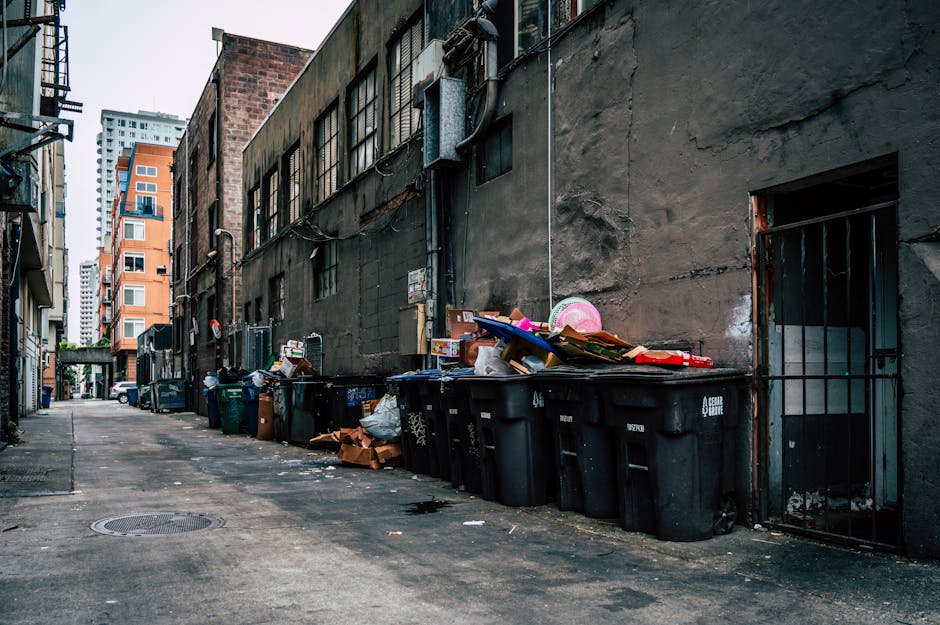
America discards nearly 60 million tons of food yearly—40% of the supply—valued at $218 billion, equivalent to 130 billion meals[3]. Globally, 13.2% of food is lost between harvest and retail, with 19% wasted in households[7]. Upstream losses in agriculture account for 54% of total wastage[3].
Key contributors include residential (35.2%), farm (23.8%), manufacturing (17.8%), foodservice (17.2%), and retail (6%) stages[1]. Only 12% of donatable surplus food is actually donated, highlighting prevention opportunities[1]. States like Vermont report 13% landfill reductions via bans, but stronger measures are needed for 50% national goals[1].
Key Takeaway: Food waste fills 22% of U.S. landfills, making it the largest municipal solid waste component—packaging innovation can intercept losses at every stage[3].
What Are High-Barrier Pouches?
High-barrier pouches feature multi-layer structures using materials like metallized films, EVOH, or aluminum foil to block oxygen, moisture, light, and aromas. These create an impermeable shield, extending perishable goods’ shelf life by 2-5 times compared to standard packaging.
In manufacturing and retail, they prevent oxidation in snacks, nuts, and dried fruits, slashing spoilage rates. For e-commerce brands, stand-up pouches with zippers maintain freshness during shipping, reducing returns due to damage[1]. Sustainable options incorporate recycled content or bio-based barriers, aligning with circular economy principles.

Proven Shelf-Life Extension Benefits
- Fruits and Vegetables: Reduces post-harvest losses by 30-50% via modified atmosphere packaging (MAP) integration.
- Processed Foods: Minimizes rancidity in oils and fats, cutting manufacturing waste by up to 20%[1].
- Retail Applications: Lowers unsold food by 25%, as seen in West Coast retailer initiatives[1].
Intelligent Packaging: Tech-Driven Waste Prevention
Intelligent packaging embeds sensors, indicators, and NFC chips to monitor conditions in real-time. Time-temperature indicators (TTIs) signal spoilage risk, while oxygen scavengers actively absorb gases to preserve contents.
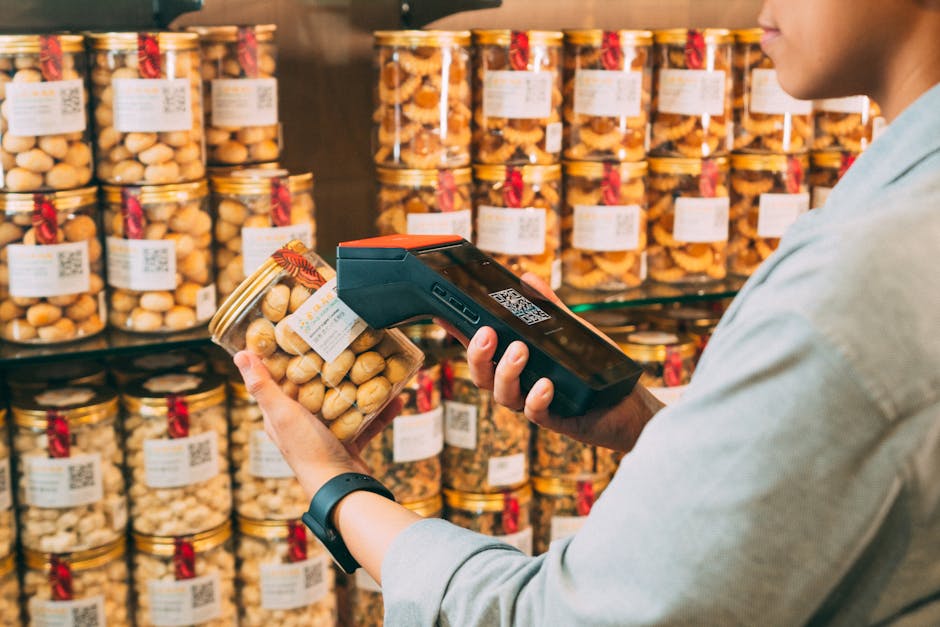
These technologies enable dynamic supply chain decisions: freshness labels on meat pouches alert retailers to rotate stock, preventing foodservice waste (17.2% of total)[1]. QR codes link to traceability data, empowering consumers to verify peak freshness and reduce household discards[7].
Brands adopting these see donation rates rise 20% and composting increase 28%, mirroring retail successes[1]. Integration with IoT platforms forecasts demand, optimizing production to avoid over-manufacturing[1].
Key Takeaway: Intelligent packaging turns passive containers into active guardians, providing data that cuts waste across retail (6%), foodservice (17.2%), and residential (35.2%) phases[1].
Real-World Impact and Case Studies
U.S. Retail and Foodservice Wins
West Coast retailers cut unsold food by 25% (2019-2022) using advanced packaging and donation programs[1]. Guckenheimer achieved 64% food waste reduction from 2022 baselines with portion control and tech tracking[1]. Japan’s 31% per capita drop (2008-2020) showcases scalable intelligent packaging adoption[2].
| Sector | Waste Share | Packaging Solution Impact | Example Reduction |
|---|---|---|---|
| Retail | 6%[1] | High-barrier + donation tracking | 25% unsold food[1] |
| Foodservice | 17.2%[1] | TTIs and portion pouches | 64% overall[1] |
| Household | 35.2%[1] | Smart labels + resealable barriers | Up to 30% via consumer tech[2] |
Practical Tips: Implement High-Barrier and Intelligent Packaging
Transitioning to these solutions starts with assessing your waste hotspots. E-commerce brands benefit from custom designs featuring low MOQ for testing. Here’s how to get started:
- Audit Waste Streams: Track spoilage by category using digital tools to identify high-impact products[4].
- Select Barrier Levels: Choose EVOH for moisture-sensitive goods or foil laminates for light blockers—test for your specific needs.
- Incorporate Indicators: Add TTIs or gas sensors; pair with apps for consumer alerts on freshness.
- Design for Sustainability: Opt for recyclable mono-materials or bio-barriers to meet EPA goals[1].
- Partner for Customization: Work with manufacturers offering die-cutting, printing, and embossing for branded, functional pouches.
- Integrate Traceability: Embed NFC/QR for supply chain visibility, boosting donation rates[1].
- Measure ROI: Expect $640M net benefits from scaled solutions, per ReFED modeling[1].

Key Takeaway: Custom high-barrier pouches with intelligent features not only extend shelf life but elevate your brand as sustainability-focused[1].
Quick Reference: Top Waste Reduction Stats
- U.S. food waste: 1/3 of supply, $61B cost[1]
- Landfill impact: 22% of MSW[3]
- Potential: 50% reduction by 2030 via prevention[1]
- Retail success: 25% unsold food cut[1]
- Global model: Japan 31% drop[2]

Conclusion
High-barrier pouches and intelligent packaging directly tackle food waste’s root causes—spoiled goods and poor visibility—delivering longer shelf life, fewer losses, and stronger brands. With U.S. initiatives like the National Strategy paving the way, adoption promises economic and environmental wins[1].
Ready to transform your packaging strategy? Explore custom solutions that blend innovation, quality, and sustainability to future-proof your operations—what waste reduction milestone will your brand achieve next?
“`
Permalink