“`html
Top 4 Packaging Industry Trends Shaping 2025 and Beyond for Global Brands
Sustainable packaging is no longer a niche choice—it’s a global imperative driving brand success in 2025. With regulations like the EU’s Packaging and Packaging Waste Regulation (PPWR) and consumer demands for transparency surging, global brands must adapt to stay competitive.[3] This article explores the top four packaging trends—sustainability evolution, connected packaging, premium designs, and e-commerce dominance—that will redefine how you package products for years to come.
These trends blend innovation, regulatory compliance, and consumer expectations, offering opportunities to enhance brand value and customer loyalty. Whether you’re an e-commerce retailer or a CPG manufacturer, understanding them positions your business ahead of the curve.[1][2]
Trend 1: Sustainability Evolution – From Plastic to Paper and Beyond
The shift to paperization or fiberization dominates 2025 packaging strategies, replacing non-recyclable plastics with paper-based alternatives amid strict regulations.[3][8] Consumers view planetary health as their top concern, pushing brands toward recyclable monomaterials, bio-based solutions, and reusables.[3] This trend extends to transparency, with carbon footprint labels and clear recycling instructions becoming standard.[1]
Global demand for packaging will nearly double by 2050, fueled by population growth and e-commerce, making sustainable materials essential for scalability.[4] Brands adopting renewable options like sugarcane-based bags not only comply with laws like the UN Global Plastic Treaty but also build loyalty among eco-conscious buyers.[3]
Key Takeaway: Sustainability has shifted from a selling point to a baseline expectation—20% of new product introductions in regions like ANZ were driven by packaging changes in 2024.[2]
Benefits of Paper-Based Packaging
- Regulatory Compliance: Meets EU PPWR targets for recycling and waste reduction.[3]
- Consumer Appeal: Aligns with preferences for bio-based over petrochemical plastics.[3]
- Functional Innovation: Maintains strength and protection without compromising on performance.[8]
- Cost Efficiency: Reduces virgin plastic use, lowering long-term supply chain costs.[3]
Trend 2: Connected Packaging – Smart Tech for Transparency and Engagement
Smart labels with RFID, NFC, and QR codes are transforming supply chains and consumer interactions in 2025.[1] These technologies enable AR experiences, product tutorials, loyalty programs, and real-time tracking, proliferating across FMCG industries.[3] The EU’s digital product passport mandate requires comprehensive data on products sold in the region, closing transparency gaps.[3]
AI and machine learning further enhance recycling, sorting mixed plastics at 5 tons per hour with nearly 100% purity.[3] For global brands, connected packaging improves visibility, combats counterfeiting, and fosters digital engagement, turning packaging into a communication tool.[1]
Key Takeaway: Investing in connected tech today enhances sustainability, supply chain transparency, and consumer connections—critical for future-proofing your brand.[3]
Connected Packaging Applications
| Technology | Application | Brand Benefit |
|---|---|---|
| QR Codes | AR tutorials, loyalty programs | Increased engagement[1] |
| RFID/NFC | Supply chain tracking | Enhanced visibility[1] |
| Digital Product Passport | Transparency data | Regulatory compliance[3] |
| AI Sorting | Recycling efficiency | Sustainability boost[3] |

Trend 3: Premium and Bold Designs – Elevating Brand Presence
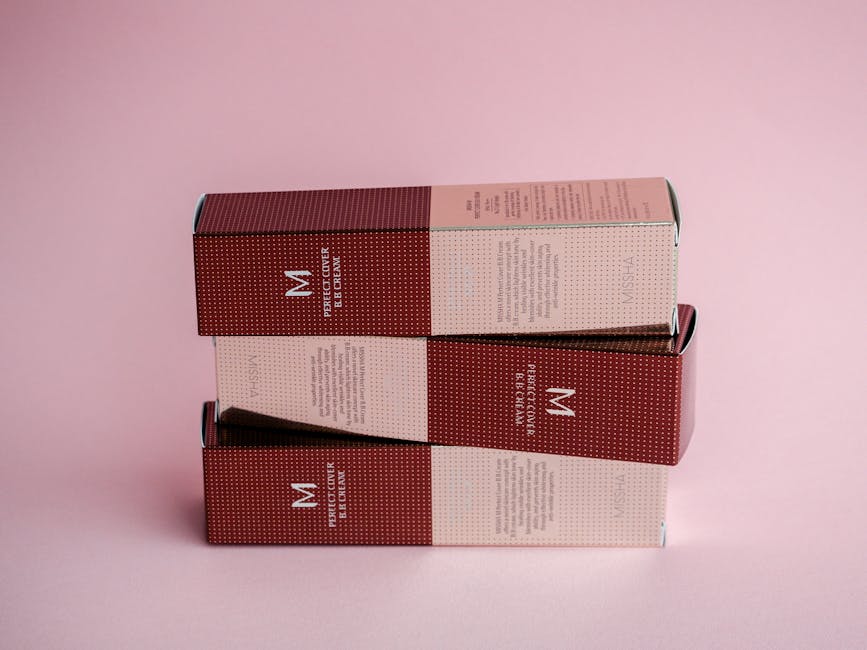
Premium label designs emphasize tactile luxury and visual impact, with textured finishes, metallic foils, and minimalist layouts standing out on shelves.[1] Bold colors, typography, and embellishments like embossing and holographics create sophisticated appeal for competitive markets.[1][6]
In beauty and personal care, packaging drives personalized premium experiences, while CPG brands use it for renovations amid declining new product launches.[2] These designs not only boost shelf presence but also reinforce brand storytelling through high-end finishes.[1]
For global brands, integrating bold aesthetics with functionality ensures products resonate emotionally, enhancing perceived value without excess material use.[6]
- Textured Finishes: Soft-touch, raised UV, embossing for luxury feel.[1]
- Metallic Effects: Hot stamp foils, holographics for standout appeal.[1]
- Minimalist Layouts: Clean designs with negative space for modern sophistication.[1]
Trend 4: E-Commerce and Functional Packaging Dominance
Corrugated cases will capture 83% of the global e-commerce packaging market by 2029, prized for recyclability, versatility, and branding space.[4] Flexible packaging grows fastest due to lightweighting and cost efficiency, ideal for diverse SKUs in transit and industrial segments.[4]
Consumers demand functionality—easy-open, freshness-preserving designs—alongside reusables in food, beverage, and personal care.[2][3] Healthcare packaging sees the fastest growth from aging populations and pharma demands, underscoring the need for protective, compliant solutions.[4]

Key Takeaway: Board packaging holds 32% global market share, but flexible formats will surge through 2050 for e-commerce efficiency.[4]
7 Practical Tips to Implement These Trends
Transitioning to these trends requires strategic planning. Start with low MOQ custom solutions to test innovations without high risk. Here’s how you can act:
- Audit Materials: Replace plastics with fiber-based options compliant with PPWR.[3]
- Integrate Smart Tech: Add QR codes for digital passports and tracking.[1][3]
- Enhance Designs: Use embossing and foils for premium tactile appeal.[1]
- Optimize for E-Commerce: Choose corrugated for protection and branding.[4]
- Test Reusables: Pilot refill systems in high-return categories like beverages.[3]
- Ensure Transparency: Label carbon footprints and recycling instructions clearly.[1]
- Partner with Experts: Leverage offset printing and die-cutting for custom, sustainable prototypes.

Quick Reference: Top Trends at a Glance
- Sustainability: Paperization, reusables, bio-based materials.[3][8]
- Connected Packaging: QR, NFC, AI sorting, digital passports.[1][3]
- Premium Designs: Textures, metallics, bold minimalism.[1][6]
- E-Commerce Focus: Corrugated dominance, functional flexible packs.[4]
Position Your Brand for the Future
These four trends—sustainability evolution, connected packaging, premium designs, and e-commerce optimization—equip global brands to navigate 2025’s challenges. By prioritizing eco-materials, smart tech, luxurious finishes, and robust shipping solutions, you enhance customer experiences and compliance.
How will you integrate these into your next packaging run? Forward-thinking brands are already prototyping custom solutions to lead the pack.
“`