“`html
Top 4 Packaging Industry Trends Shaping 2025 and Beyond for Global Brands
Sustainable packaging is no longer a niche choice—it’s a global imperative driving brand loyalty and regulatory compliance in 2025. With packaging demand projected to nearly double by 2050 amid population growth and e-commerce surges, global brands must adapt to trends like paperization, smart technologies, and premium designs to stay competitive[1][3][4]. This article explores the top four trends, offering actionable insights to elevate your packaging strategy.
These shifts reflect consumer demands for transparency, eco-friendliness, and functionality, while regulations like the EU’s Packaging and Packaging Waste Regulation (PPWR) enforce change. By aligning with these trends, you can enhance customer experiences, reduce environmental impact, and boost shelf appeal for long-term success[3].

Trend 1: The Paperization Revolution – Shifting to Fiber-Based Solutions
The transition to paperization or fiber-based packaging accelerates in 2025, replacing plastics with renewable paper alternatives due to stringent regulations and consumer preferences. Brands are adopting corrugated cases for e-commerce, projected to capture 83% of the market by 2029 for their recyclability and branding potential[3][4]. This shift meets EU PPWR targets and addresses planetary health concerns prioritized by global consumers[3].
Technological advancements enable paper substitutes that maintain functionality without compromising strength or shelf life. For instance, sugarcane-based mailing bags are entering e-commerce, showcasing viable bio-based innovations[3]. Global brands benefit from reduced virgin plastic use and improved recyclability targets.
Key Takeaway: Paperization isn’t mere substitution—it’s a strategic move toward circularity, positioning brands as sustainability leaders while complying with binding global regulations[3].
Trend 2: Connected Packaging – Smart Tech for Transparency and Engagement
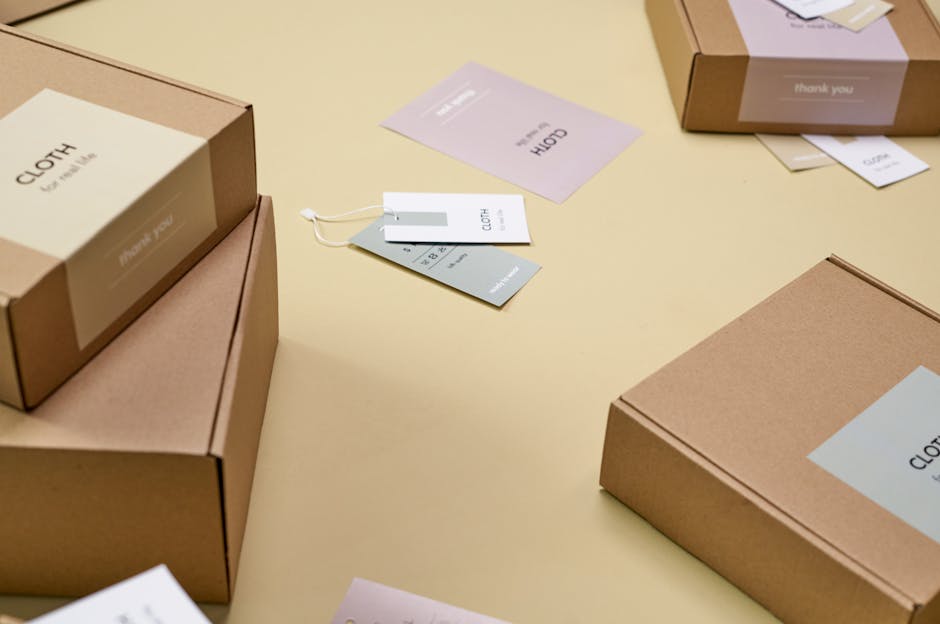
Connected packaging integrates RFID, NFC, QR codes, and AI to revolutionize supply chains and consumer interactions in 2025. These technologies enable digital product passports mandated by EU regulations, providing full lifecycle transparency from production to recycling[1][3]. In FMCG, smart labels support AR experiences, loyalty programs, and AI-driven sorting achieving nearly 100% purity in plastic recycling trials[1][3].
For global brands, this trend enhances logistics visibility in retail and healthcare, where fastest growth is expected by 2050[4]. Reusable systems at venues like stadiums streamline returns with minimal consumer effort, boosting circular economy adoption[3].
- Supply Chain Tracking: RFID/NFC for real-time monitoring reduces losses.
- Consumer Engagement: QR codes link to tutorials, authenticity checks, and personalized offers.
- Regulatory Compliance: Digital passports close data gaps on sustainability[3].
Key Takeaway: Investing in connected packaging today strengthens consumer trust, optimizes recycling, and future-proofs against evolving transparency mandates[1][3].
Trend 3: Sustainability as Baseline – Reusables, Bio-Based, and Minimalism
Reusable and Refillable Models Gain Traction
Reusable packaging expands in food, beverage, and personal care sectors, driven by PPWR mandates for refillable options and high consumer return rates in trials[3]. NGOs advocate these models to cut single-use reliance, with quick-service chains launching initiatives for repeat uptake[3]. Global brands see loyalty gains as consumers favor eco-conscious choices.
Bio-Based and Minimalist Innovations
Bio-based solutions like seaweed and sugarcane alternatives rise, offering low-carbon performance over multilayer plastics deemed unsustainable by consumers[3][8]. Minimalist designs with upcycled materials and carbon-neutral printing enhance reputation without excess[6]. CPG brands focus here as product innovation declines, with 20% of ANZ launches driven by packaging in 2024[2].
| Packaging Type | Key Benefits | Market Growth Driver |
|---|---|---|
| Reusable/Refillable | High return rates, circular economy | PPWR compliance, consumer demand[3] |
| Bio-Based (e.g., Seaweed) | Low-carbon, renewable | Plastic reduction goals[8] |
| Minimalist Paper | Recyclable, brand-focused | E-commerce dominance[4] |
Trend 4: Premium and Bold Designs – Elevating Brand Experience
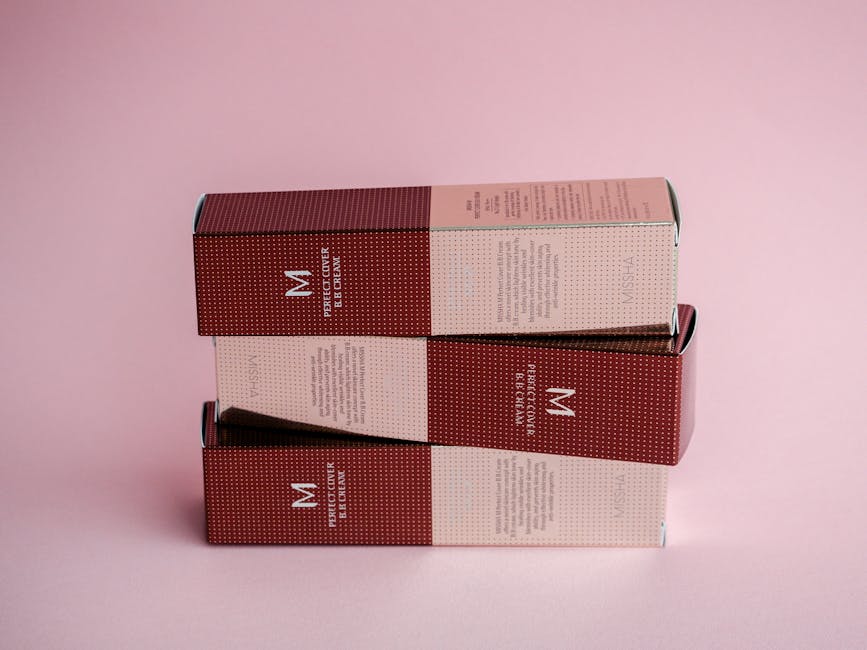
Premium label designs dominate 2025 with tactile finishes like embossing, soft-touch laminations, and metallic foils for luxurious shelf impact[1]. Bold colors and typography paired with minimalist layouts create standout visuals, while functional innovations meet demands for convenience and freshness[1][2]. Beauty brands leverage personalization for premium experiences amid cautious product launches[2].
These aesthetics not only boost visibility but align with sustainability by using eco-materials. Flexible packaging grows fastest post-2028 for lightweight efficiency, complementing corrugated dominance in e-commerce[4].
Key Takeaway: Bold, premium designs transform packaging from functional wrapper to brand storyteller, capturing attention in crowded markets[1].
7 Practical Tips to Implement These Trends
Transitioning to 2025 trends requires strategic planning. Start with low MOQ custom solutions to test innovations without high risk.
- Audit Materials: Replace plastics with fiber-based options compliant with PPWR[3].
- Integrate Smart Tech: Add QR/NFC for digital passports and engagement[1].
- Prioritize Reusables: Pilot refill systems in high-volume categories[3].
- Enhance Textures: Use embossing and foils for premium tactile appeal[1].
- Test Bold Aesthetics: Experiment with minimalist bold designs via offset printing.
- Ensure Transparency: Label carbon footprints and recycling instructions clearly[1].
- Partner Experts: Collaborate with manufacturers offering die-cutting, foil stamping, and eco-materials for seamless execution.

Quick Reference: Top Trends at a Glance
- Paperization: Fiber shift for recyclability (83% e-comm by 2029)[4]
- Connected Packaging: AI, QR for transparency[3]
- Sustainability Baseline: Reusables, bio-based mandates[3]
- Premium Designs: Tactile, bold for impact[1]
Position Your Brand for the Future
Embracing these top four trends equips global brands to navigate 2025’s regulatory, consumer, and market shifts effectively. From paperization to smart premium designs, packaging becomes a powerful differentiator enhancing value and loyalty.
How will you integrate these innovations into your strategy? Forward-thinking brands are already partnering with custom packaging experts to deliver sustainable, standout solutions that drive growth well into the future.
“`